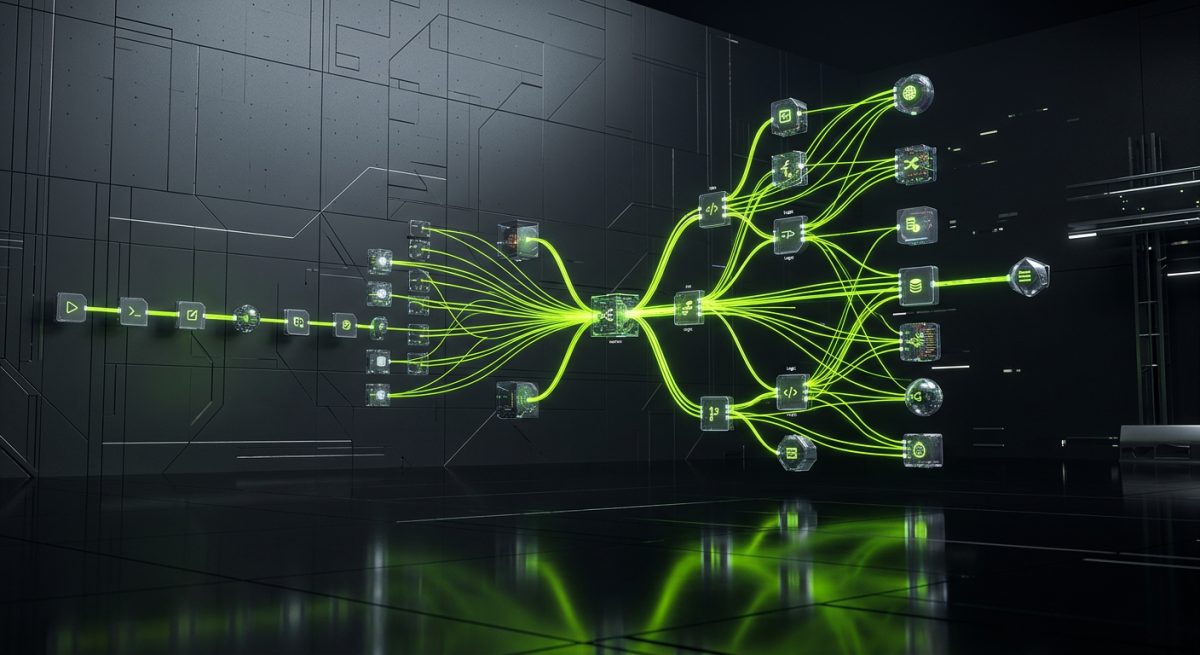
The Architectural Shift: Moving from Linear Triggers to Graph-Based Orchestration
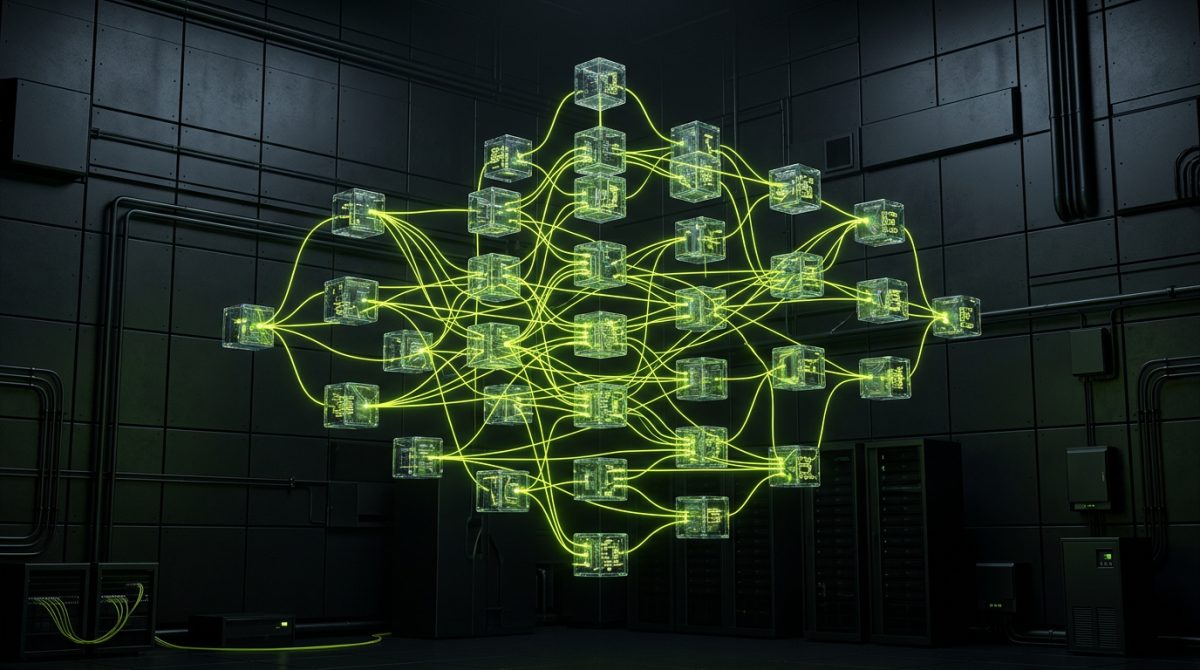
In the landscape of B2B operations, the limitations of standard automation tools often become apparent when workflows scale beyond simple one-to-one integrations. While platforms like Zapier or Make serve as excellent entry points for basic tasks, enterprise-grade requirements demand a higher level of control, data sovereignty, and logical complexity. This is where n8n emerges as a transformative force. Unlike linear automation tools, n8n utilizes a node-based, graph-oriented approach that allows for non-linear logic, complex branching, and deep integration with custom infrastructure. For a specialized agency like werun.dev, where we maintain over 200 active sites with a 99.97% uptime guarantee, the ability to self-host n8n is a critical differentiator. Data security and privacy are non-negotiable for our clients, and by deploying n8n within a private cloud environment, we ensure that sensitive business logic and customer data never leave the controlled perimeter. This self-hosted model also eliminates the "task tax" associated with SaaS automation platforms, allowing for high-volume data processing without the exponential costs that typically plague scaling businesses.
Transitioning to an advanced n8n ecosystem involves moving away from the mindset of "if this, then that" toward a more holistic view of "system orchestration." In a typical enterprise environment, the web ecosystem is often fragmented. You might have a WordPress site handling lead generation, a Shopify Plus store managing B2B wholesale transactions, and a Webflow instance serving as a high-performance marketing hub. A simple automation might sync a new Shopify customer to a CRM. An intelligent system, however, uses n8n to listen for that customer creation via a signed webhook, queries the WordPress REST API to check for existing historical data, analyzes the customer's company domain against a third-party enrichment API, and then routes the lead to a specific Slack channel based on projected lifetime value. This level of sophistication requires an architecture that supports multi-trigger environments and complex error handling. At werun.dev, we build these flows with built-in redundancy, ensuring that if an external API is down, the workflow enters a retry queue rather than failing silently. This reliability is what separates a "script" from a mission-critical business system.
Furthermore, the true power of n8n lies in its extensibility through the "Code Node." While the library of pre-built connectors is vast, B2B requirements often involve legacy ERPs or niche industry APIs that lack standard support. Because n8n allows for native JavaScript or Python execution within any node, we can write custom logic to handle complex data transformations, cryptographic signatures for secure API handshakes, or even local file system operations. This capability aligns perfectly with our core services, such as developing custom WordPress plugins or Shopify Liquid themes. We don't just connect tools; we engineer the glue that makes them work as a single, unified platform. By leveraging n8n as the central nervous system, we can maintain a lean tech stack while achieving the functionality of a much larger, more expensive enterprise suite.
Engineering Custom Logic: Custom Code, API Orchestration, and Secure Webhooks
Advanced automation is defined by its ability to handle the edge cases that standard connectors ignore. For businesses running high-transaction environments on WooCommerce or Shopify Plus, the standard "off-the-shelf" automation logic often fails when faced with high concurrency or complex data structures. At werun.dev, we specialize in building custom REST API endpoints directly within WordPress, using JWT or OAuth 2.0 for secure authentication. When these endpoints interact with n8n, they form a powerful bridge between the CMS and the rest of the business ecosystem. A common challenge in B2B development is the synchronization of data between a website and an internal ERP like SAP or Odoo. These systems often require specific data formats and strict validation protocols that standard automation tools cannot satisfy. By utilizing the n8n Function Node, we can write custom JavaScript to map WooCommerce order data into the exact XML or JSON schema required by the ERP, including complex tax calculations or multi-currency conversions that happen in real-time.
Security is another pillar of advanced orchestration. When building webhook listeners, it is not enough to simply receive data; the system must verify that the data is authentic. We implement signature verification for all incoming webhooks from platforms like Stripe or Shopify. In n8n, this involves capturing the raw body of the request and the header signature, then using a code node to perform a HMAC SHA256 comparison. This ensures that the automation only triggers when it receives a legitimate, verified request, preventing malicious actors from injecting false data into the business pipeline. This level of technical rigor is a hallmark of our integration services. We also incorporate sophisticated error-handling strategies, such as the "Circuit Breaker" pattern. If an external service like HubSpot returns a 500-series error, the n8n workflow can automatically pause, alert the dev-console via Slack, and attempt a staggered retry logic. This prevents the system from being overwhelmed by cascading failures and ensures that no data is lost during downtime.
Managing long-running tasks and asynchronous processing is where n8n truly outshines its competitors. In many web environments, a heavy process—like generating a 500-page PDF report or processing a massive CSV import—can cause a PHP timeout on a WordPress server. To solve this, we offload these tasks to n8n. The WordPress site sends a lightweight webhook to n8n and immediately returns a 202 Accepted response to the user, keeping the site fast and responsive. n8n then handles the heavy lifting in the background, utilizing its own resources to process the data, and finally pings the WordPress REST API back once the task is complete to update the user's dashboard. This asynchronous architecture is essential for maintaining the "Uptime: 99.97%" standard we promise our clients. It allows the web front-end to remain a fast, conversion-focused interface while the complex business logic runs on a dedicated, scalable automation layer. This approach not only improves user experience but also makes the entire system more maintainable, as the business logic is centralized and decoupled from the presentation layer.
Building Intelligent Systems: AI Agents and RAG-Driven Pipelines
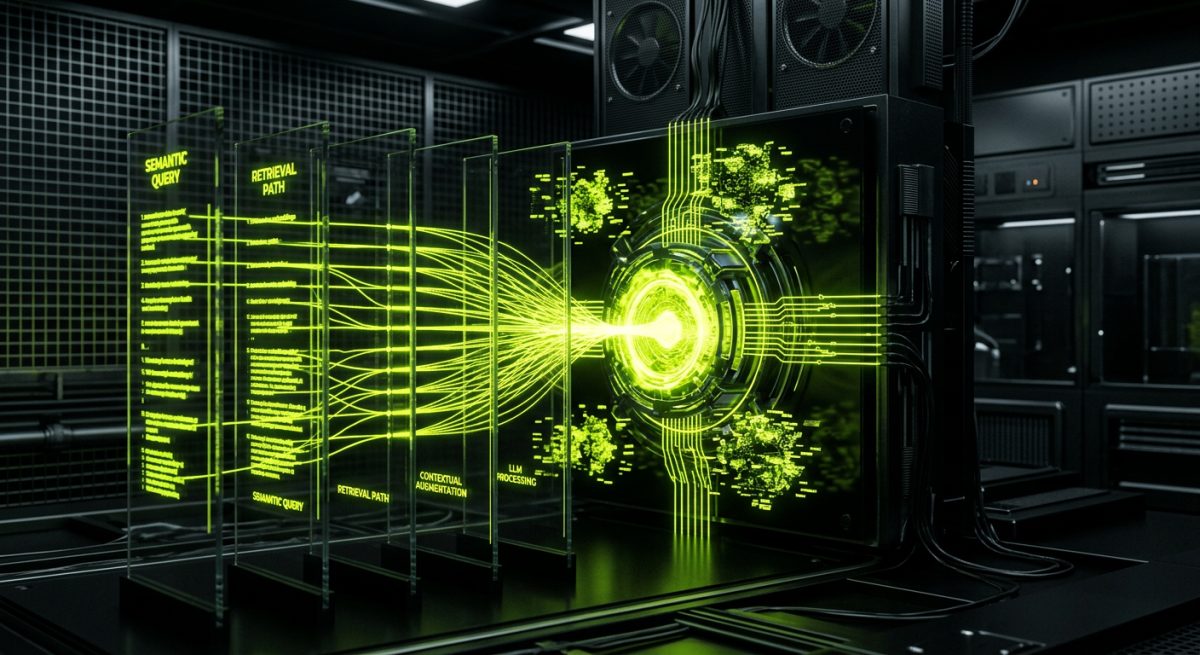
The current frontier of automation is the integration of Artificial Intelligence to move beyond static logic into dynamic decision-making. At werun.dev, we are evolving n8n workflows into "Intelligent Systems" by incorporating Large Language Models (LLMs) like GPT-4 and Claude 3.5 Sonnet. This isn't just about adding a chatbot to a website; it’s about creating autonomous agents that can interpret unstructured data and take action. For example, a standard contact form on a Webflow site might capture a lead's message. An intelligent system uses n8n to send that message to an AI node, which performs sentiment analysis, categorizes the intent (e.g., "Support," "Sales," "Partnership"), and extracts key entities like company size or technical requirements. Based on this analysis, the agent can then query a vector database—a process known as Retrieval-Augmented Generation (RAG)—to find the most relevant case study or technical documentation from the company's internal knowledge base and draft a personalized response for the sales team to review.
This RAG-driven approach is particularly powerful for B2B companies with extensive documentation or complex product catalogs. By connecting n8n to a vector store like Pinecone or Weaviate, we can index the entire content of a WordPress multisitio or a Webflow CMS. When a query comes in, n8n doesn't just look for keywords; it understands the semantic meaning of the request. It retrieves the relevant context from the vector database and feeds it to the LLM, ensuring that the AI's response is grounded in the company's actual data. This eliminates the "hallucination" problem common in generic AI implementations. For our clients, this means they can deploy AI agents that act as expert technical assistants, capable of answering complex questions about their services or products with 100% accuracy, 24/7. These agents can be integrated into Slack for internal team support or deployed as customer-facing chatbots that handle the first tier of support tickets, significantly reducing the load on human teams.
Beyond text-based AI, we are building autonomous agents in n8n that can perform multi-step research and data enrichment. An agent can be triggered by a new entry in a Shopify store, research the customer's LinkedIn profile, scrape their latest company news using a dedicated scraping pipeline, and then generate a customized onboarding plan. This level of automation moves the needle from "efficiency" to "competitive advantage." By utilizing n8n’s native AI nodes—including memory, tools, and chains—we can build systems that "remember" previous interactions and improve their performance over time. This aligns with our vision of building systems that are "built to last and maintained for the long term." We don't just hand over a tool; we provide a managed AI ecosystem that grows with the business. As a partner, werun.dev ensures these intelligent systems are monitored, the models are updated, and the prompts are refined to maintain peak performance in an ever-changing technological landscape.