The Evolution from Static Segmentation to AI-Driven Hyper-Personalization
For years, the gold standard in B2C digital marketing was segmentation. Brands would group users based on broad demographics—age, location, or perhaps a singular past purchase—and serve them content that was 'close enough' to their interests. However, in an era where consumers are bombarded with thousands of digital touchpoints daily, 'close enough' no longer converts. Modern consumers expect 1:1 relevance, and they expect it in real-time. This shift from static segmentation to AI-driven hyper-personalization represents a fundamental change in how web ecosystems are built and maintained. At werun.dev, we see this transition not just as a marketing trend, but as a technical challenge that requires robust API & third-party integrations and a deep understanding of data flow.
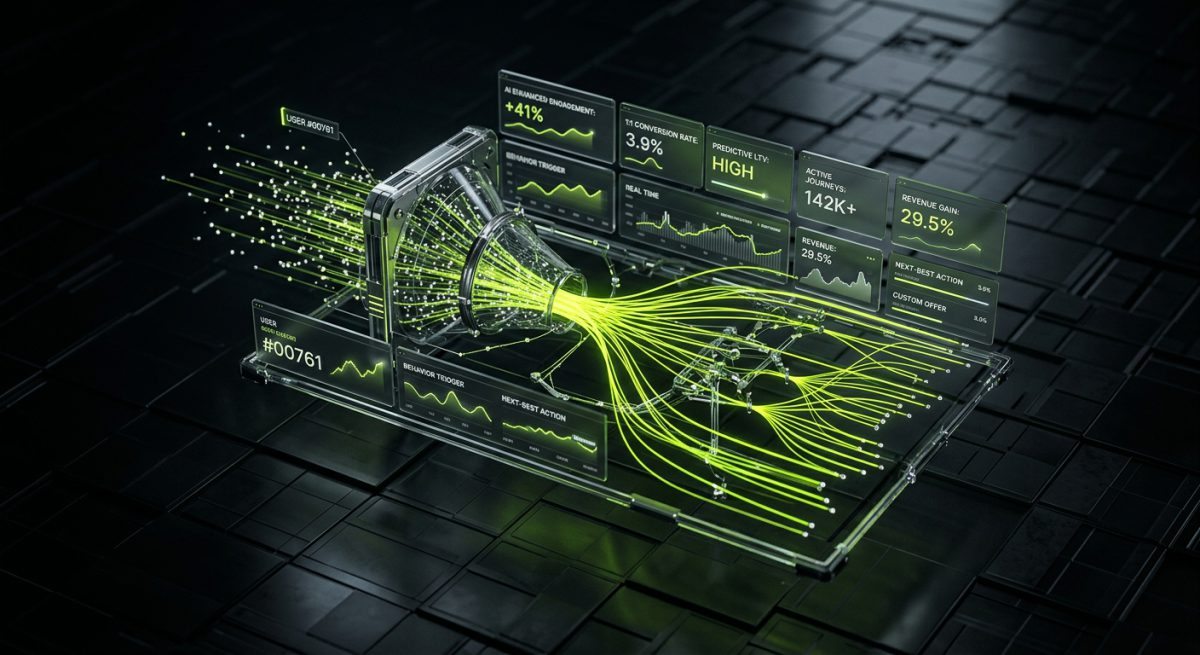
Traditional personalization relied on rigid, rule-based engines. For example, a Shopify store might have a rule: 'If a user has spent more than $200 in the last 30 days, show them the VIP banner.' While effective to a point, these rules are reactive and fail to capture the nuance of real-time intent. AI-driven personalization, by contrast, uses machine learning models to analyze thousands of data points in milliseconds. This includes current session behavior, mouse movements, referral sources, and even local weather conditions. By the time a user has scrolled halfway down a page, an AI engine has already predicted their most likely next action and adjusted the custom Liquid theme development outputs to match that intent.
Statistics show that 80% of consumers are more likely to make a purchase from a brand that provides personalized experiences. Furthermore, companies that excel at personalization generate 40% more revenue from those activities than average players. To achieve this at scale, businesses must move away from 'black box' third-party apps and toward integrated, owned infrastructure. This is where we focus our efforts, building the bridge between your CMS—whether it’s WordPress, Webflow, or Shopify—and the intelligent models that drive these decisions. We don't just 'install' AI; we architect the data pipelines that make it functional and fast. This involves creating custom WordPress plugins that can talk to LLMs (Large Language Models) or building n8n workflows that enrich user data before it ever hits the front-end. The goal is a seamless, invisible experience where the website feels like it was designed specifically for the individual user, every time they visit.
Technical Architecture: Orchestrating Real-Time Data with n8n and LLMs
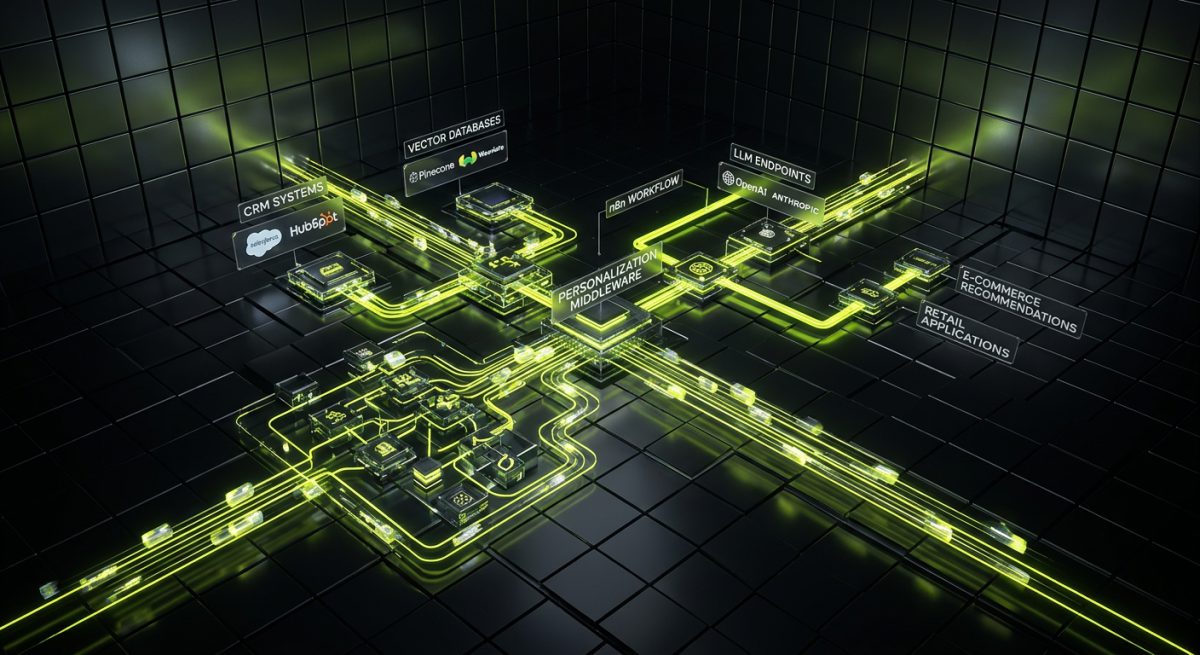
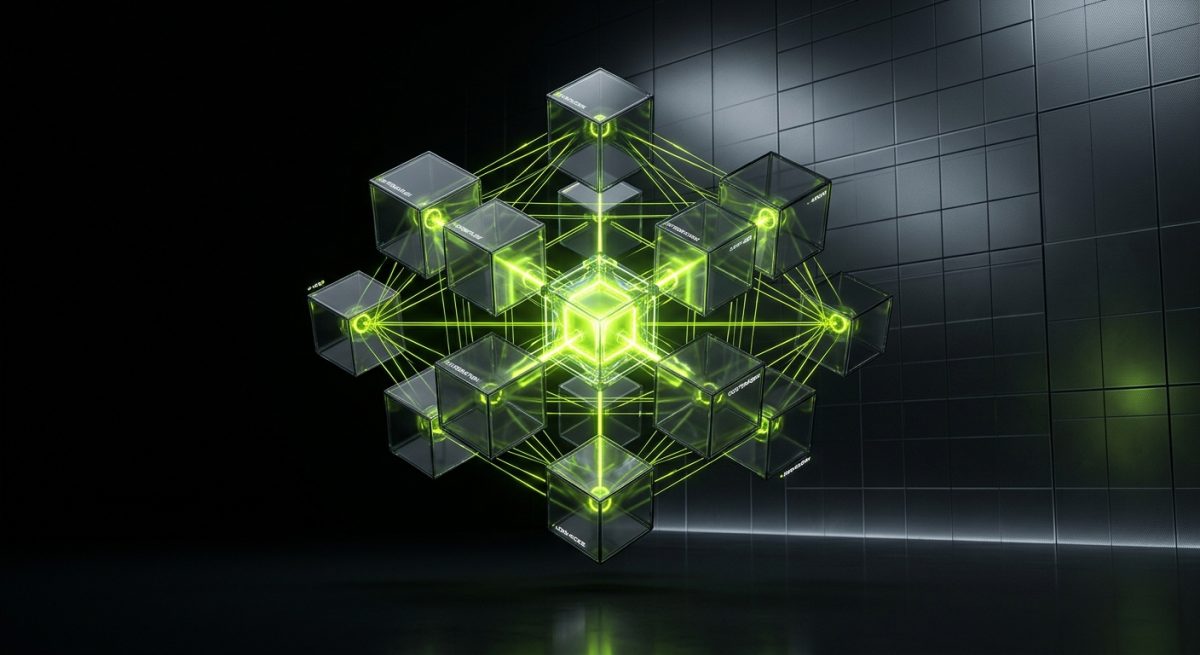
Building a personalization engine that operates at scale requires a sophisticated backend architecture. You cannot simply query an LLM for every page load; the latency would destroy your Core Web Vitals and the API costs would be astronomical. Instead, the architecture must be tiered. At werun.dev, we implement a 'Personalization Middleware' approach using tools like n8n and custom-built AI & Automation services. This middleware acts as a high-speed traffic controller, deciding which data needs real-time AI processing and which can be served from a pre-computed cache or a vector database.
A typical implementation involves a Retrieval-Augmented Generation (RAG) pipeline. When a user interacts with a site, their session data is sent via a custom REST API endpoint to our automation layer. Here, n8n orchestrates the workflow: it pulls the user's historical profile from a CRM like HubSpot or Salesforce, fetches current inventory levels from a WooCommerce or Shopify backend, and queries a vector database (like Pinecone or Weaviate) for relevant product embeddings. This context is then fed into an LLM like GPT-4 or Claude, which generates a personalized recommendation or a dynamic content block. The result is returned to the browser in a fraction of a second, often before the user has finished their first interaction.
{
  "user_context": {
    "current_session_duration": "124s",
    "last_viewed_category": "sustainable-footwear",
    "loyalty_tier": "gold"
  },
  "ai_output": {
    "headline": "Exclusive: Eco-Conscious Styles for Our Gold Members",
    "recommended_skus": ["SHOE-992", "SHOE-441"],
    "dynamic_discount": "15%"
  }
}
This level of technical orchestration is what separates a generic website from a high-performance sales engine. By using n8n to connect disparate systems—from your ERP to your frontend—we ensure that the AI has the 'live' context it needs to be useful. For instance, an AI shouldn't recommend a product that is out of stock in the user's size, regardless of how much they might like it. Our approach to Shopify Plus enterprise builds often includes these real-time inventory checks within the personalization loop, ensuring that every recommendation is actionable. This isn't just about 'chatbots'; it's about autonomous agents that live within your site's code, quietly optimizing the user journey at every step of the funnel.
Performance, Scalability, and the werun.dev Approach to AI Maintenance
The greatest risk of implementing real-time AI personalization is the potential impact on site performance and technical debt. A site that is slow to load, even if it is highly personalized, will suffer from high bounce rates and poor SEO rankings. This is why our development philosophy emphasizes 'Performance First.' When we build custom WordPress themes or Webflow ecosystems, we utilize advanced caching strategies and edge computing to ensure that the 'AI heavy lifting' happens off the main thread. We leverage tools like Cloudflare Workers or Shopify’s Oxygen to execute personalization logic at the network edge, physically closer to the user, reducing latency to the absolute minimum.
Maintenance is the second critical pillar. AI models and APIs change rapidly. A prompt that works today might produce different results tomorrow as model versions are updated. Our maintenance retainers include proactive monitoring of these AI pipelines. We treat AI prompts and automation workflows as code, meaning they are version-controlled via GitHub and subject to the same rigorous testing as a custom WordPress plugin. We provide a response SLA of less than 4 hours, ensuring that if an API endpoint changes or a data sync fails, our senior developers are on it before it impacts your bottom line. We also implement 'fail-safe' defaults: if the AI engine fails to respond within 200ms, the site automatically falls back to a high-quality static experience, ensuring that the user never sees a broken page or a loading spinner.
Ultimately, real-time personalization at scale is about building trust. It’s about showing the customer that you understand their needs without being intrusive. By integrating AI deeply into your technical stack—rather than just layering it on top—you create a resilient, scalable system that grows with your business. Whether you are running a high-volume Shopify Plus store or a complex WordPress multisite network, the goal is the same: to move from a static digital presence to a living, breathing customer experience. At werun.dev, we provide the technical expertise to make that transition possible, moving your AI initiatives from experimental prototypes to production-ready systems that drive measurable ROI. Ready to scale your customer experience? Our team is here to build and run the intelligent systems your business needs to stay ahead.