The Shift from Reactive to Predictive Forecasting
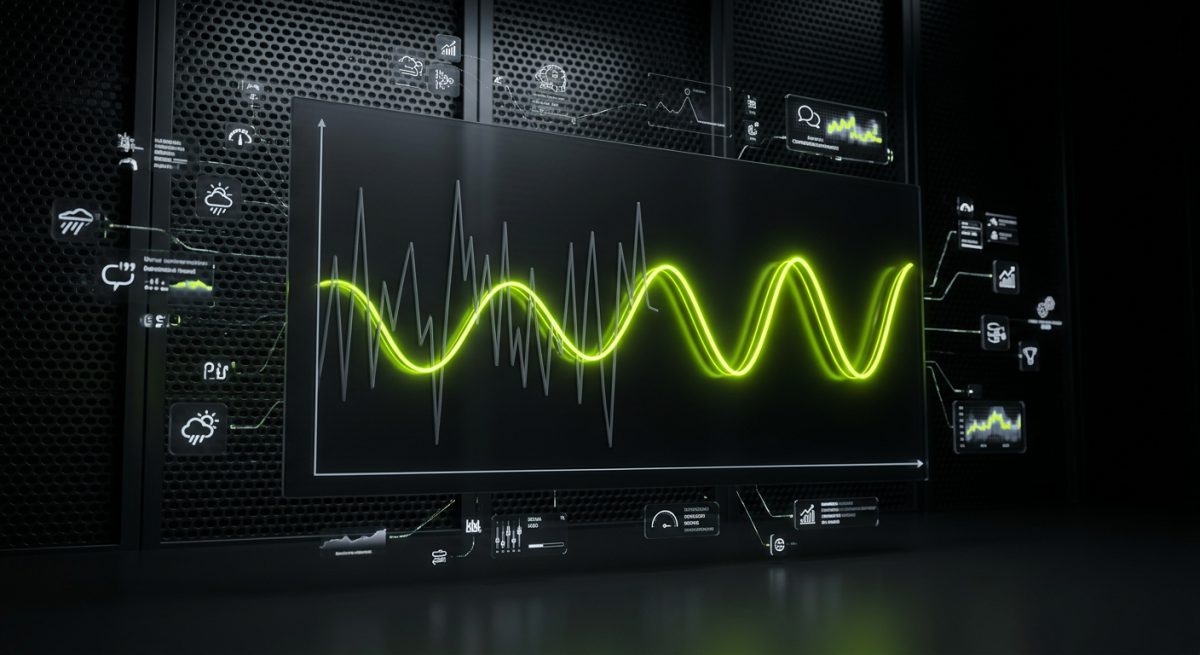
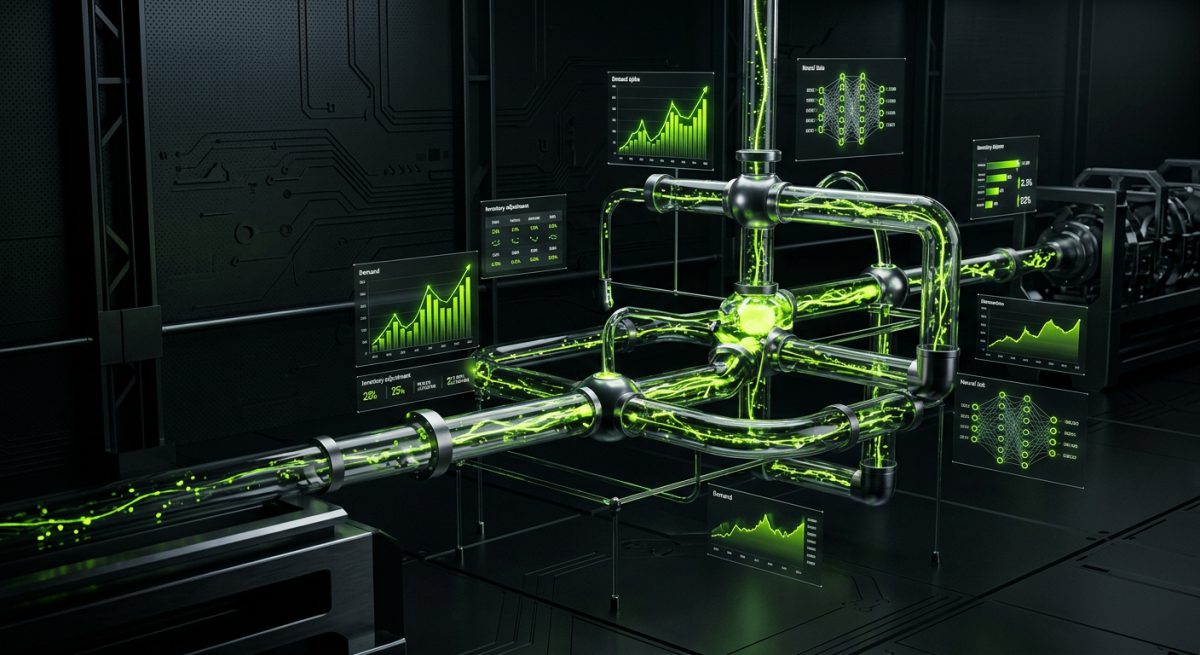
Traditional supply chain management has long relied on historical data and linear statistical models to predict future demand. While methods like moving averages or ARIMA (AutoRegressive Integrated Moving Average) served their purpose in stable markets, they are increasingly inadequate in the volatile landscape of modern B2C commerce. The primary limitation of these legacy models is their inability to process non-linear relationships and high-dimensional data. In a world where social media trends, local weather patterns, and global geopolitical shifts can influence consumer behavior overnight, B2C brands require a more sophisticated approach. This is where AI integrations transform the supply chain from a reactive cost center into a proactive competitive advantage.
Modern AI-driven forecasting utilizes machine learning architectures such as Long Short-Term Memory (LSTM) networks and Gated Recurrent Units (GRUs), which are specifically designed to handle time-series data with complex dependencies. Unlike traditional models, these deep learning algorithms can ingest thousands of disparate data points—ranging from historical sales and promotional calendars to external signals like inflation rates and competitor pricing. By identifying patterns that are invisible to the human eye, AI can significantly reduce the 'bullwhip effect,' where small fluctuations in retail demand cause massive, inefficient swings in wholesale and manufacturing orders.
Overcoming the Cold Start Problem
One of the most significant challenges in B2C supply chains is the 'cold start' problem—forecasting demand for new product launches where no historical data exists. Traditional models fail here entirely. However, AI leverages 'transfer learning' and 'attribute-based forecasting.' By analyzing the performance of similar products based on features like material, price point, color, and category, the AI can generate highly accurate initial forecasts. This allows brands to optimize their initial production runs, reducing the risk of capital being tied up in dead stock or the loss of revenue due to immediate stockouts.
At werun.dev, we emphasize the importance of high-quality data pipelines to fuel these models. AI is only as good as the data it consumes. Our approach involves building robust Extract, Transform, Load (ETL) processes that clean and normalize data from various sources—including ERPs, CRMs, and web analytics—before it reaches the inference engine. This technical foundation ensures that the predictive output is not just a statistical guess, but a reliable business metric. By integrating these systems into your existing eCommerce development stack, we enable a seamless flow of intelligence from the digital storefront to the warehouse floor.
Technical Implementation: Bridging eCommerce and Intelligence
Moving AI forecasting from a theoretical exercise to a production-ready system requires a sophisticated middleware layer. For a B2C brand operating on platforms like Shopify Plus or BigCommerce, the challenge lies in real-time synchronization between the storefront and the forecasting engine. Consider a real-world scenario: a high-growth apparel brand experiences a 300% surge in traffic due to an unexpected viral post. A traditional system might not flag the inventory risk until the next daily sync, leading to overselling. An AI-driven automation workflow integrated via Webhooks and specialized APIs can trigger an immediate recalculation of safety stock levels and adjust marketing spend automatically to prevent a customer service nightmare.
To implement this, we often deploy microservices using Node.js or Python hosted on scalable cloud infrastructure. These services act as the 'brain' between the eCommerce platform and the inventory management system (IMS). Below is a simplified conceptual example of how a forecasting service might be queried to adjust inventory buffers via an API:
// Example Request to a Predictive Inventory Service
{
  "product_id": "SKU-99283",
  "current_stock": 150,
  "historical_velocity": 12.5,
  "external_signals": {
    "social_sentiment": "high",
    "upcoming_promotion": true,
    "competitor_stockout": false
  }
}

// AI-Generated Response
{
  "predicted_demand_next_7_days": 210,
  "recommended_safety_stock": 65,
  "action_required": "RESTOCK_URGENT",
  "confidence_score": 0.94
}
Building the Data Lake for Supply Chain Intelligence
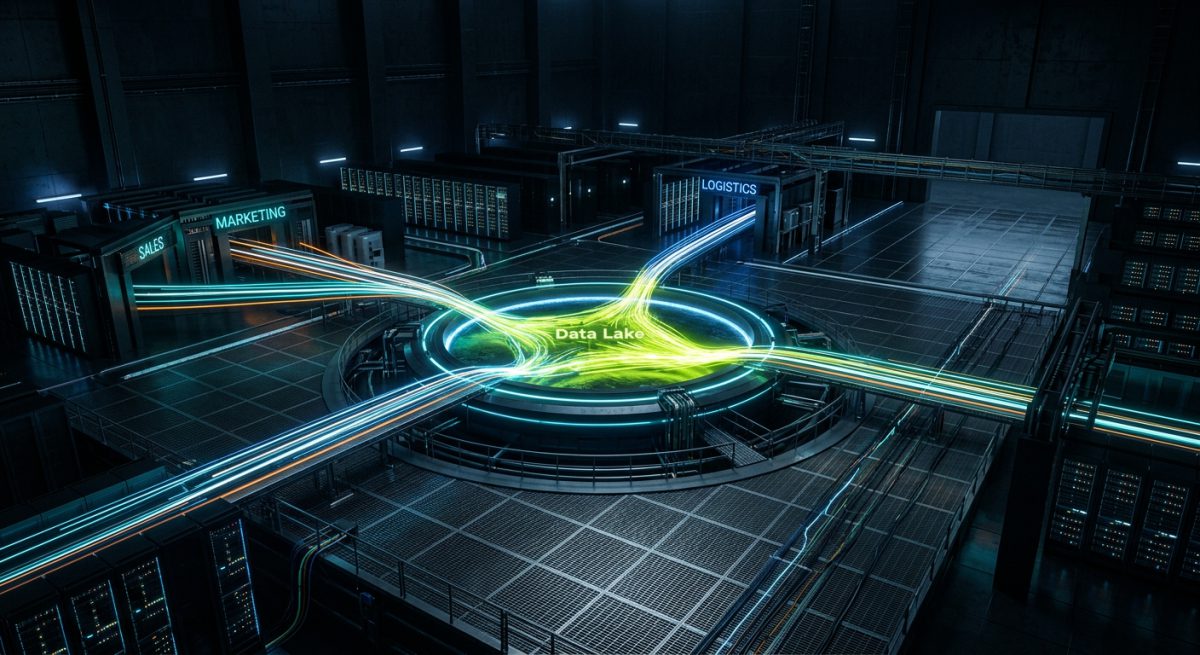
For enterprise-level B2C brands, data is often siloed across different departments. The marketing team has the campaign calendar, the logistics team has the shipping lead times, and the sales team has the transaction history. To build a truly 'smart' forecasting tool, these silos must be unified into a centralized data lake. Using tools like Amazon S3 or Google BigQuery, we aggregate these data streams into a single source of truth. This architecture allows for 'multivariate forecasting,' where the model understands that a 10% discount combined with a specific regional weather forecast will result in a specific demand spike.
Our team at werun.dev focuses on creating these secure, scalable SaaS architectures that allow for real-time data processing. By leveraging technologies like Apache Kafka for stream processing, we ensure that the AI models are always working with the most recent data. This technical rigor ensures that when a brand scales, their infrastructure doesn't become a bottleneck, but rather the engine that drives efficient growth. We focus on 'production-grade' AI—meaning the models are monitored for 'drift' (where the model's accuracy decreases over time) and are automatically retrained as new data patterns emerge.
Scalability and the werun.dev Approach to AI Integration
Integrating AI into a supply chain is not a 'set it and forget it' project. It requires a deep understanding of both the software architecture and the business logic of B2C retail. At werun.dev, we approach AI integration with a focus on modularity and security. We recognize that most brands cannot afford to rip and replace their entire tech stack. Therefore, we build 'wrapper' services and custom API layers that inject AI capabilities into existing workflows without disrupting day-to-day operations. This 'strangler pattern' approach allows for gradual migration to smarter systems, minimizing risk while maximizing immediate ROI.
Our technical philosophy centers on three pillars: scalability, security, and measurable impact. When we design an AI-driven forecasting system, we ensure it can handle the extreme loads of Black Friday or Cyber Monday without latency issues. This involves utilizing serverless functions and containerized environments (Docker/Kubernetes) that scale horizontally based on demand. Furthermore, we prioritize data security, ensuring that sensitive customer and proprietary sales data are encrypted at rest and in transit, complying with global standards like GDPR and SOC2.
Measuring the ROI of Smarter Forecasting
Success in AI implementation is measured by tangible business outcomes. Brands we work with typically look for improvements in three key areas: reduction in carrying costs, decrease in stockouts, and improved labor efficiency in the warehouse. By accurately predicting demand, brands can implement 'Just-In-Time' (JIT) inventory strategies more aggressively, freeing up millions in working capital that would otherwise be sitting on shelves as excess stock. Additionally, AI can optimize the 'last mile' of delivery by predicting which regional warehouses should hold specific stock based on localized demand patterns, significantly reducing shipping times and costs.
Moving from experimentation to a production-ready AI system is the biggest hurdle for most B2C brands. Many companies get stuck in 'POC purgatory,' where they have a working model in a lab environment that fails to perform in the real world. werun.dev bridges this gap by applying rigorous software engineering principles to the world of data science. We don't just build models; we build the infrastructure that allows those models to thrive, scale, and deliver consistent value. Whether you are looking to optimize your Shopify backend or build a custom global supply chain dashboard, our expertise ensures your AI journey is grounded in technical excellence.
Ready to transform your logistics with predictive intelligence? Explore our AI integration services or book a technical consultation with our senior architects to discuss how we can modernize your B2C tech stack for the era of automated commerce.