The Architecture of AI-Integrated WordPress Systems
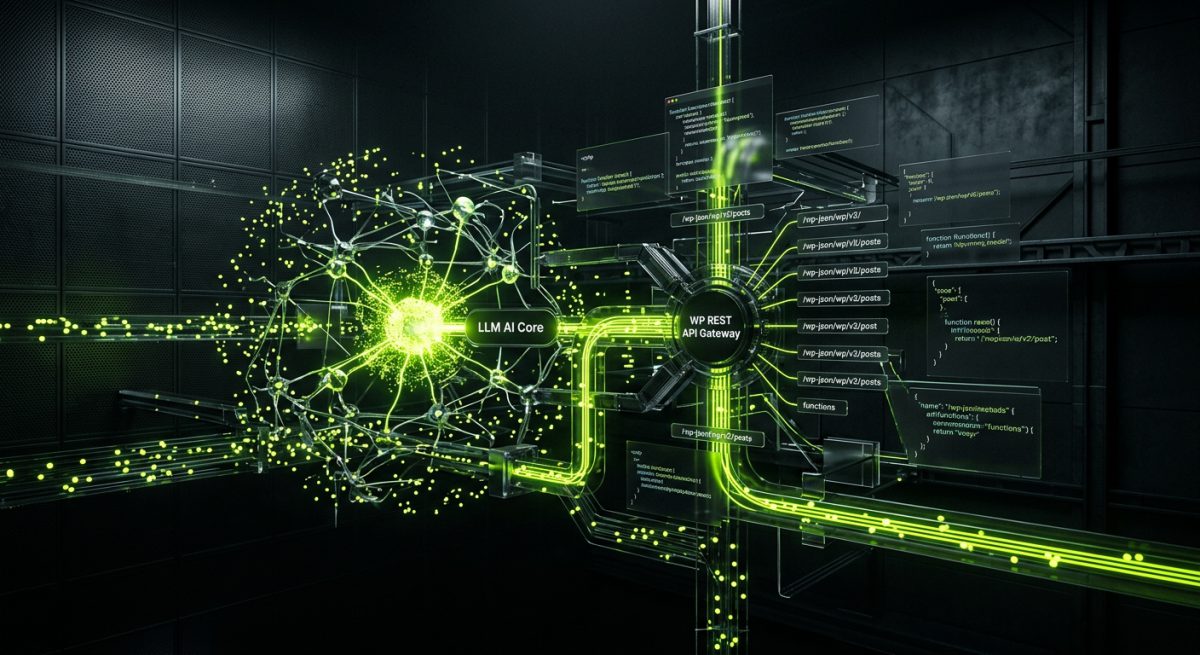
The transformation of WordPress from a traditional Content Management System (CMS) into an intelligent application framework is driven by the strategic integration of Large Language Models (LLMs) and automated data pipelines. For B2B organizations, this shift means moving beyond static page delivery toward an environment that anticipates user needs and automates complex backend operations. At the core of this evolution is the WordPress REST API, which serves as the primary bridge between the native PHP environment and external AI services like OpenAI, Anthropic, or self-hosted models. Unlike off-the-shelf plugins that offer generic AI wrappers, professional-grade integration requires a custom architecture that prioritizes security, scalability, and data sovereignty.
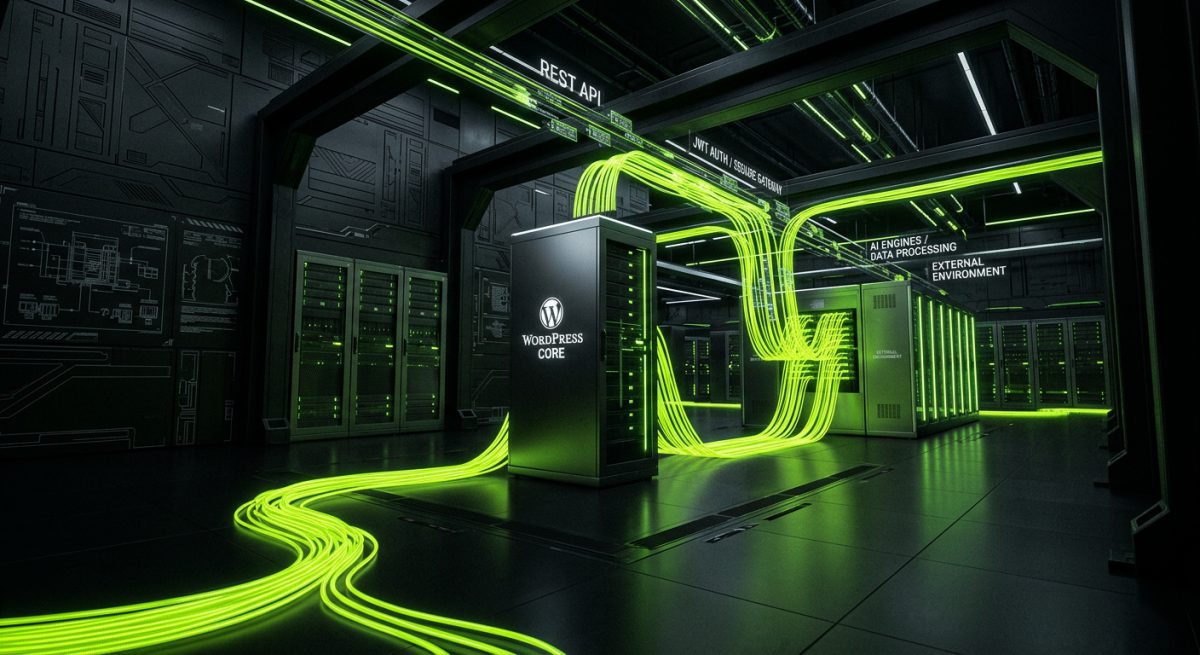
When we architect AI-powered systems at werun.dev, we focus on creating a decoupled logic layer. This involves developing custom WordPress plugins that handle the heavy lifting of data sanitization and request routing while offloading the intensive computational tasks of AI processing to specialized environments. This approach ensures that the WordPress frontend remains performant, scoring high on Core Web Vitals, while the backend benefits from advanced intelligence. A critical component of this architecture is the implementation of robust authentication mechanisms, such as JWT or OAuth 2.0, to secure the communication between the WordPress instance and the AI endpoints. By utilizing proper WordPress coding standards—including nonces, capability checks, and the Settings API—we build "smart" admin interfaces that allow non-technical editors to manage AI prompts and parameters without touching the underlying code.
Furthermore, the integration of background processing is essential for maintaining site speed. We leverage the Action Scheduler or WP-Cron to handle asynchronous AI tasks, such as generating automated metadata for thousands of products or analyzing user-generated content for sentiment. This prevents the "timeout" issues common in poorly architected AI implementations. For enterprise clients, we often deploy these systems via a GitHub-powered auto-update mechanism, ensuring that as AI models evolve and security patches are released, the custom plugin architecture remains current and secure without manual intervention. This level of technical rigor is what differentiates a simple "AI plugin" from a production-ready intelligent web ecosystem built to run long-term.
Dynamic Content Personalization and RAG Architectures

One of the most impactful applications of AI within the WordPress ecosystem is the implementation of Retrieval-Augmented Generation (RAG). This technology allows a website to serve as a truly intelligent knowledge base, providing answers and content that are contextually relevant to the specific data hosted on the site. For B2B companies with extensive documentation, white papers, or product catalogs, RAG transforms a standard search bar into a sophisticated AI agent. At werun.dev, we build these systems by connecting WordPress to vector databases and n8n automation workflows. The process begins by "chunking" the site's content—posts, pages, and custom post types—and converting it into high-dimensional vectors that represent the semantic meaning of the text. When a user queries the site, the system performs a vector search to find the most relevant information and then uses an LLM to synthesize a precise, human-readable answer.
This dynamic content strategy extends to the frontend through custom Gutenberg blocks. We develop bespoke blocks that can alter their output based on real-time AI analysis of user behavior or intent. For instance, a B2B service page could dynamically adjust its case study highlights based on the industry of the visiting company, identified via IP-based enrichment or previous interactions. This level of personalization was previously reserved for enterprise-level SaaS platforms, but with the right Gutenberg block development, it is now accessible within a standard WordPress environment. The key is ensuring that this dynamic delivery does not break the site’s caching layer. We achieve this by using client-side fetching for AI-generated components or by utilizing fragmented caching strategies that allow the majority of the page to remain static while only the intelligent elements are updated.
Real-world implementation of these systems often involves complex data pipelines. Consider a technical support portal built on WordPress: instead of a user digging through PDFs, a custom AI agent powered by RAG can instantly provide a step-by-step troubleshooting guide based on the latest technical specs. We manage these pipelines using n8n to ensure that whenever a new document is uploaded to the WordPress Media Library, it is automatically processed, vectorized, and added to the AI’s knowledge base. This creates a self-sustaining loop where the website becomes smarter with every piece of content added. By focusing on API and third-party integrations, we ensure that this intelligence isn't siloed; it can pull data from CRMs like Salesforce or ERPs like SAP to provide even deeper context to the dynamic content being served.
Intelligent Plugin Development and B2B Process Automation
Beyond the frontend experience, AI is revolutionizing the internal operations of B2B websites through intelligent plugin development and process automation. The goal is to eliminate the manual, repetitive tasks that often plague content teams and sales departments. At werun.dev, we build custom plugins that act as autonomous agents within the WordPress dashboard. These plugins can handle everything from automated lead scoring to complex data enrichment. For example, when a potential client submits a lead through a customized integration, the plugin can automatically trigger an n8n workflow that researches the company's size, industry, and recent news, then appends this data to the lead record in WordPress before syncing it with a CRM like HubSpot. This ensures the sales team only spends time on highly qualified opportunities.
In the realm of e-commerce, specifically WooCommerce ecosystems, AI-powered plugins are used to optimize pricing strategies and product descriptions at scale. We develop systems that monitor competitor pricing and market trends via web scraping pipelines, then use AI to suggest or automatically apply price adjustments based on pre-defined business logic. Similarly, AI can be used to generate SEO-optimized product descriptions and alt-text for images, significantly reducing the overhead for stores with large inventories. By building these features into custom plugins rather than relying on third-party SaaS subscriptions, businesses retain full control over their data and avoid recurring monthly fees that scale with usage. Every line of code we write follows strict security protocols, including data sanitization and proper capability checks, to ensure the AI's autonomous actions are always within the bounds of the administrator's intent.
At werun.dev, our approach to AI integration is rooted in technical excellence and measurable business impact. We don't just add AI for the sake of novelty; we build systems that solve specific operational bottlenecks. Whether it's a custom REST API endpoint that allows a mobile app to access the site’s RAG capabilities or a background worker that uses AI to audit the site for accessibility compliance, our solutions are built to last. We move companies from the experimentation phase to production-ready AI systems that are fully integrated into their existing tech stacks. By combining our deep expertise in WordPress core development with modern AI and automation tools, we enable B2B organizations to run more efficiently and provide superior digital experiences to their clients. The future of WordPress is not just as a content holder, but as an active, intelligent partner in a company’s growth strategy.