The Technical Architecture of RAG-Powered AI Chatbots
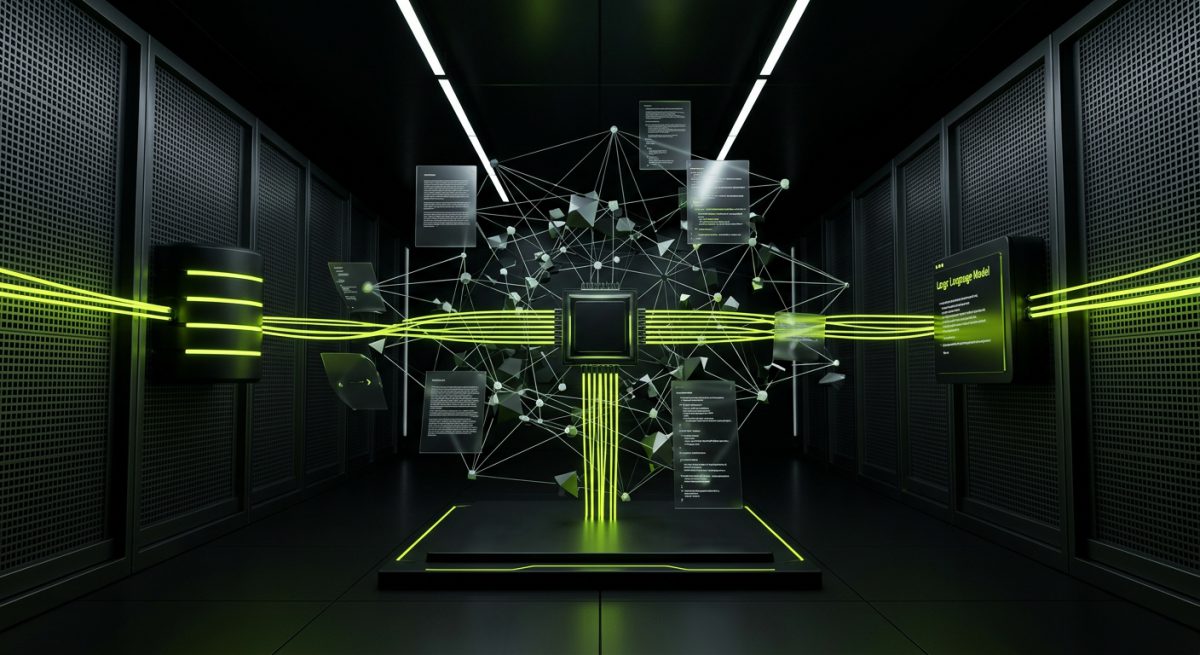
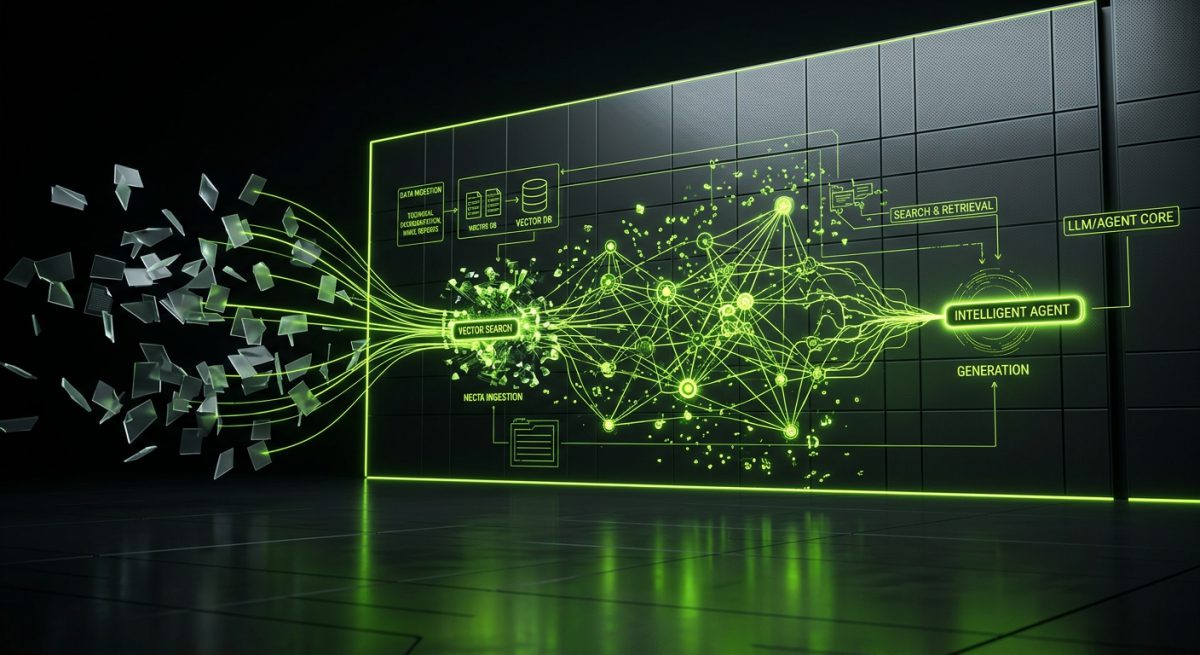
Modern B2B environments demand more than simple decision-tree chatbots. The current gold standard involves Retrieval-Augmented Generation (RAG) combined with vector search to provide context-aware responses. Unlike traditional bots that rely on static scripts, AI agents built on RAG architecture utilize a dynamic knowledge base. This process begins with the ingestion of unstructured data—such as technical documentation, PDF manuals, or internal wikis—which is then broken down into smaller chunks. These chunks are converted into high-dimensional vectors using embedding models from providers like OpenAI or Anthropic. When a user queries the system, the agent performs a semantic search within a vector database (such as Pinecone, Weaviate, or Supabase) to find the most relevant information before passing it to the Large Language Model (LLM).
This architecture solves the primary challenge of LLMs: hallucinations. By grounding the model in a specific, verified dataset, businesses ensure that the virtual agent only provides answers based on company-approved information. At werun.dev, we specialize in building these systems using tools like LangChain or direct API integrations to ensure the context window of models like Claude 3.5 Sonnet or GPT-4o is utilized efficiently. The precision of semantic search allows the agent to distinguish between nuanced technical queries, making it an ideal solution for B2B support and internal knowledge management. Furthermore, the implementation of a vector-based memory allows the agent to maintain long-term context across multiple sessions, providing a personalized experience that scales without increasing overhead. This technical foundation is what differentiates a simple "chat box" from a robust virtual agent capable of handling complex enterprise inquiries.
Implementing these systems requires a deep understanding of chunking strategies and overlap parameters. If chunks are too small, the context is lost; if they are too large, the semantic signal is diluted with noise. We optimize these pipelines to ensure that the retrieval phase is both fast and accurate. Additionally, the integration of real-time data sources ensures that the knowledge base is never stagnant. By connecting the RAG pipeline to live CMS or ERP data, the AI agent can discuss current inventory levels, project statuses, or updated service terms with 100% accuracy. This level of technical sophistication is necessary for businesses that cannot afford the reputational risk of an AI providing incorrect or outdated information to a high-value client.
Orchestrating Autonomous Agents with n8n and Custom Code
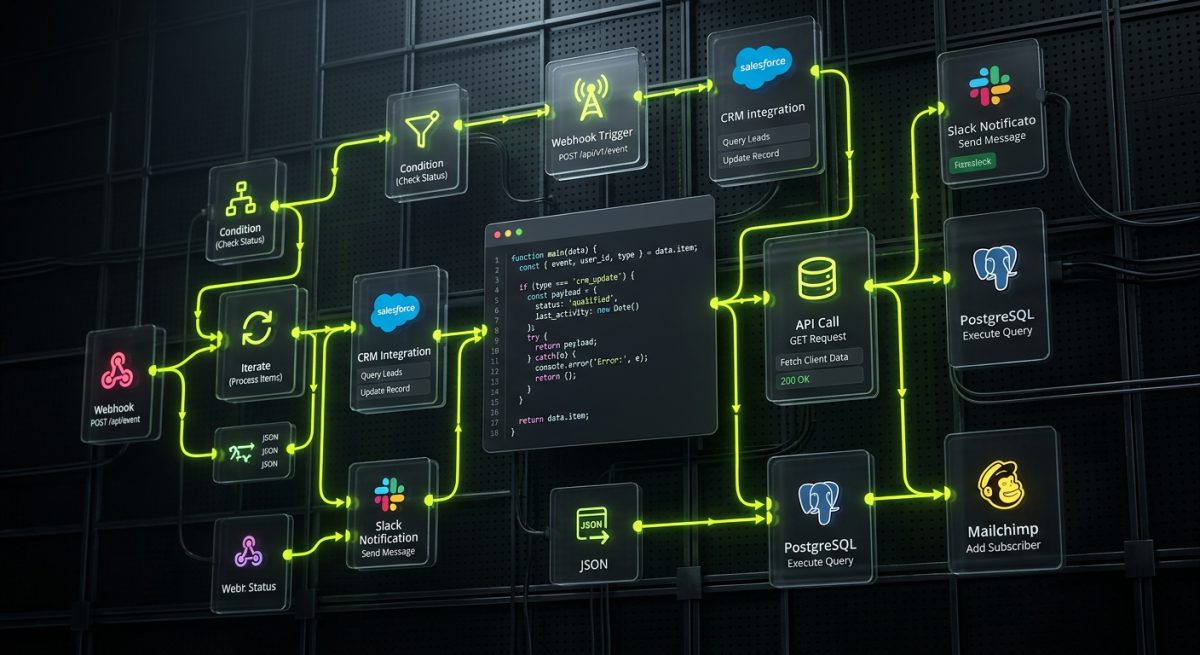
While a chatbot facilitates conversation, an autonomous agent executes actions. At werun.dev, we leverage n8n as the primary orchestration engine to transform LLMs into functional workers. n8n allows for the creation of complex, multi-branching workflows that connect an AI agent to hundreds of third-party APIs. The true power of this approach lies in the ability to use custom JavaScript or Python nodes within the workflow. This allows for sophisticated data manipulation, such as sanitizing input before it reaches the LLM or formatting the output for specific database schemas. For instance, an autonomous agent can be programmed to monitor a support inbox, categorize the sentiment of incoming emails, extract key entities using Named Entity Recognition (NER), and then trigger a specific automation path based on the urgency of the request.
// Example of a custom n8n node logic for data sanitization
const inputData = items[0].json.query;
const sanitizedData = inputData.replace(/[<>]/g, ""); // Basic XSS prevention
return [{ json: { query: sanitizedData, timestamp: new Date().toISOString() } }];
These agents operate on a multi-trigger basis, responding to webhooks, cron jobs, or form submissions in real-time. By utilizing models like Claude 3.5 (Anthropic) for its superior reasoning capabilities, we build agents that can handle multi-step tasks without human intervention. An agent might start by identifying a lead from a website form, enrichment that lead using external data APIs, checking the current sales team's availability in a CRM like HubSpot, and finally drafting a personalized outreach email in the user's drafts. This is not just automation; it is the delegation of cognitive labor. The reliability of these workflows is maintained through comprehensive error handling and retry logic, ensuring that if an API call fails, the system logs the event and attempts a recovery without breaking the entire pipeline.
Furthermore, the self-hosted nature of n8n provides an extra layer of security and control for B2B enterprises. By running these agents on private infrastructure, companies can ensure that sensitive data never leaves their controlled environment, except when necessary for LLM processing (and even then, data can be anonymized). We focus on building "Human-in-the-loop" (HITL) systems where the agent performs 90% of the heavy lifting but pauses for human approval before executing high-stakes actions, such as sending a final contract or processing a refund. This hybrid approach maximizes efficiency while maintaining the oversight required in professional B2B services.
Strategic Integration with CRM and ERP Ecosystems
The ultimate value of AI chatbots and virtual agents is realized when they are deeply integrated into the existing business ecosystem. A standalone bot is a silo; an integrated agent is a force multiplier. At werun.dev, we focus on connecting AI pipelines to core business systems like Salesforce, Microsoft Dynamics, or custom-built ERPs. This integration allows for automated data enrichment and real-time reporting. For example, when a virtual agent interacts with a customer, it can simultaneously update the customer's record in the CRM, log the transcript, and update a lead score based on the specific questions asked. This ensures that the sales and support teams have a unified view of the customer journey without manual data entry.
Reliability is the cornerstone of B2B automation. Our systems are designed with a 99.97% uptime target, utilizing robust cloud infrastructure or self-hosted environments that scale horizontally. We implement advanced logging and monitoring using Slack or email alerts to notify administrators of any anomalies in the AI's performance. This proactive approach to maintenance ensures that the virtual agent remains an asset rather than a liability. Beyond simple support, these agents can be used for automated reporting. An agent can be tasked with querying a database every Friday afternoon, synthesizing the week's performance metrics using an LLM, and generating a natural-language summary report for the executive team. This eliminates hours of manual spreadsheet work and provides stakeholders with actionable insights instantly.
For businesses looking to scale, the deployment of these agents represents a significant shift from reactive to proactive operations. Instead of waiting for a client to report an issue, an autonomous agent can monitor system logs or project milestones and reach out to the client with an update or a solution before the client even realizes there is a problem. This level of service is what defines the modern B2B experience. To explore how these custom AI agents and n8n-powered workflows can transform your business operations, contact our team of experts to design a solution tailored to your specific technical requirements. Visit https://werun.dev/ to start your automation journey today or reach out directly via our contact page at /es/contacto.html for a consultation on your next IA & Automation project.