The Architecture of Agentic Micro-SaaS in the B2B Ecosystem
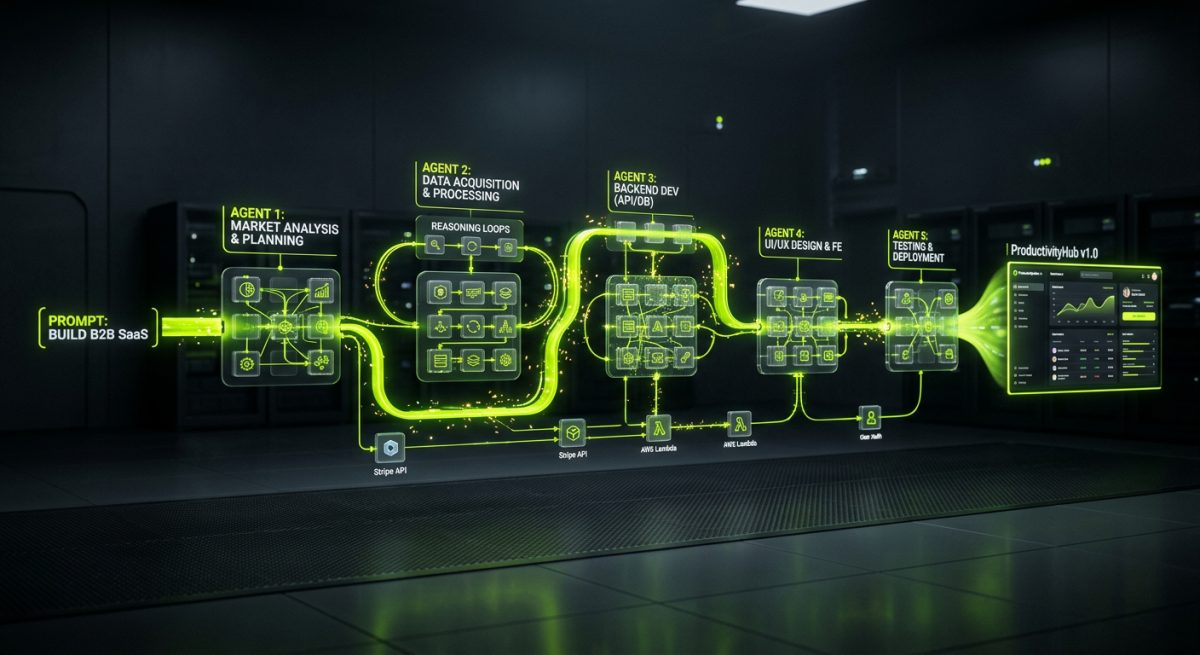
The transition from traditional software development to AI-driven product creation represents a fundamental shift in how B2B solutions are architected. A Micro-SaaS, by definition, solves a specific, niche problem with high efficiency. When we integrate AI agents into this model, we move beyond simple wrappers for Large Language Models (LLMs). Instead, we build autonomous systems capable of reasoning, executing multi-step workflows, and interacting with external APIs to deliver tangible business value. At werun.dev, we view the "Prompt to Product" pipeline not as a shortcut, but as a sophisticated engineering discipline that combines the agility of AI with the stability of enterprise-grade web development.
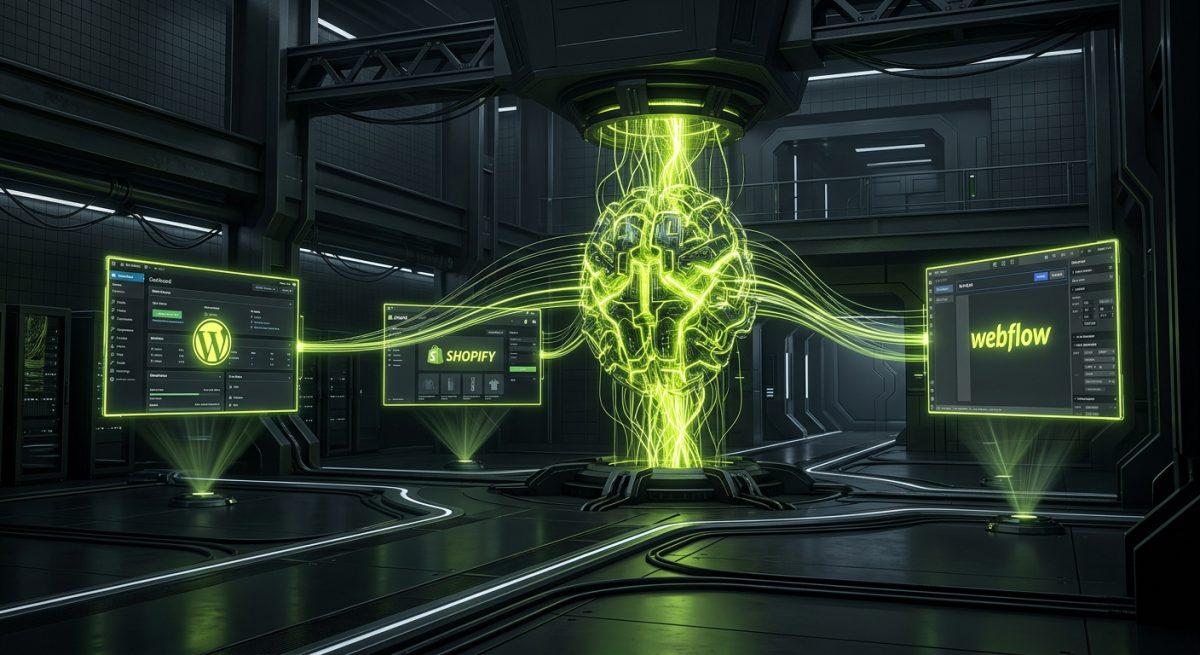
Building an agentic Micro-SaaS requires a robust foundational layer. While the AI provides the logic, the product requires a reliable interface, user management, and billing infrastructure. This is where the synergy between specialized platforms like WordPress, Webflow, or Shopify and AI orchestration becomes critical. For instance, using WordPress as a headless CMS or a primary application framework allows developers to leverage the REST API and a mature ecosystem of plugins for authentication and subscription management, while the "brain" of the application resides in an agentic layer powered by tools like n8n or LangChain. This separation of concerns ensures that the product is scalable and maintainable, avoiding the pitfalls of monolithic AI applications that are difficult to debug or update.
The core differentiator of an AI agent compared to a standard chatbot is its ability to use tools. In a B2B context, an agent might be tasked with monitoring a Shopify store's inventory, analyzing sales trends via a custom API, and automatically generating and deploying a targeted marketing campaign through a Webflow-hosted landing page. The prompt is merely the starting point—the trigger that sets a complex chain of events in motion. To build this successfully, the underlying architecture must support state management, allowing the agent to remember previous interactions and adjust its strategy based on real-time feedback. This level of autonomy transforms a simple tool into a proactive partner for the end-user, which is the hallmark of a successful Micro-SaaS product.
Furthermore, the speed of deployment in the agentic era does not negate the need for professional standards. Every Micro-SaaS we build follows a strict protocol of code quality and security. This includes using nonces for request verification, sanitizing all inputs to prevent injection attacks, and ensuring that the AI's output is validated against a predefined schema before being displayed to the user or executed on the server. By treating the AI's response as untrusted data, we build resilient systems that can handle the inherent unpredictability of LLMs while maintaining the 99.97% uptime our clients expect. The goal is to move from a prompt to a production-ready product that can scale to thousands of users without compromising on performance or security.
Technical Orchestration with n8n and LLM Integration
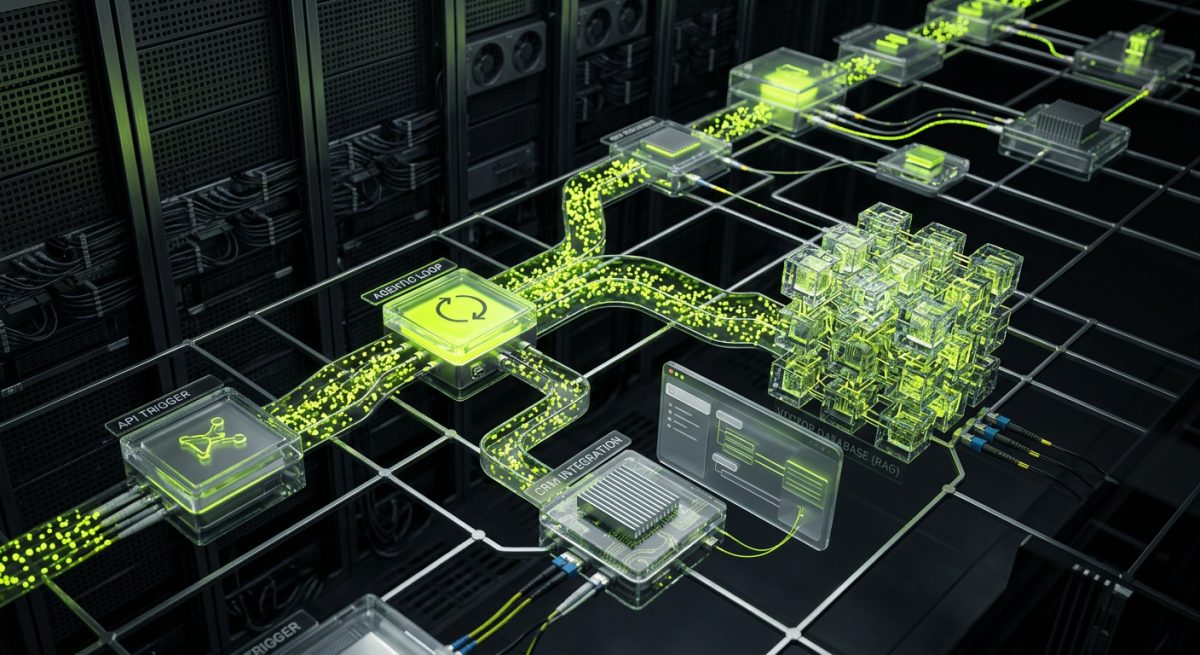
The engine of a modern AI Micro-SaaS is the orchestration layer. At werun.dev, we specialize in designing and maintaining complex n8n workflows that serve as the connective tissue between the user interface and the AI models. n8n provides a visual yet highly technical environment where we can build multi-branching logic, handle error states, and integrate with virtually any third-party service via REST APIs. By deploying n8n in a self-hosted environment, we maintain full control over the data flow, ensuring compliance with B2B security requirements while avoiding the limitations of closed-source automation platforms. This setup allows for the creation of sophisticated pipelines where an initial user prompt is enriched with data from a CRM like Salesforce or HubSpot before being sent to an LLM like Claude 3.5 Sonnet or GPT-4o.
To achieve high-quality outputs, we implement Retrieval-Augmented Generation (RAG) within these workflows. Instead of relying solely on the LLM's pre-trained knowledge, the agent queries a vector database—such as Pinecone or a local Postgres instance with pgvector—to find relevant context specific to the user's business. For example, a Micro-SaaS designed for Shopify merchants might use RAG to pull specific product documentation or historical customer support data to provide highly accurate, context-aware responses. This process involves converting text into embeddings, storing them in a searchable format, and injecting the most relevant snippets into the agent's prompt. This significantly reduces hallucinations and ensures the product provides professional-grade utility.
Sample n8n Webhook Listener for AI Processing
{
  "meta": {
    "instanceId": "werun-dev-ai-01"
  },
  "nodes": [
    {
      "parameters": {
        "httpMethod": "POST",
        "path": "v1/process-task",
        "options": {}
      },
      "name": "Webhook",
      "type": "n8n-nodes-base.webhook",
      "typeVersion": 1,
      "position": [100, 200]
    },
    {
      "parameters": {
        "model": "claude-3-5-sonnet-20240620",
        "prompt": "={{$node[\"Webhook\"].json[\"body\"][\"prompt\"]}}",
        "systemPrompt": "You are a B2B logic agent. Output only valid JSON."
      },
      "name": "Anthropic AI",
      "type": "n8n-nodes-base.anthropicChatModel",
      "typeVersion": 1,
      "position": [350, 200]
    }
  ]
}
Beyond simple processing, the orchestration layer must handle the "Agentic Loop." This is where the AI evaluates its own work or uses a "tool" (a specific API endpoint) to gather more information before finalizing a task. If an agent is tasked with generating a custom WordPress plugin, it might first draft the code, then send it to a specialized "Linter Agent" for validation, and finally package it for the user. This iterative process is managed through n8n’s logic nodes, which can handle retries and conditional branching based on the AI's internal reasoning. This ensures that the final "Product" delivered to the user is not just a raw AI response, but a refined, verified output that meets professional standards.
Integrating these workflows with the frontend—whether it’s a custom Webflow site with JS logic or a WordPress dashboard—requires a secure bridge. We build custom REST API endpoints in WordPress using the register_rest_route function, protected by JWT or OAuth 2.0 authentication. This allows the frontend to trigger complex n8n workflows and receive updates in real-time. By using background processing and task queues (such as WP Cron or Action Scheduler), we ensure that the user interface remains responsive even when the AI agent is performing long-running computations. This technical depth is what separates a weekend project from a viable B2B Micro-SaaS business.
Long-Term Scaling, Maintenance, and Performance
Launching a Micro-SaaS is only the beginning of the product lifecycle. In the AI space, the landscape shifts rapidly; models are updated, APIs change their rate limits, and user expectations evolve. A professional B2B product requires a maintenance strategy that ensures consistent performance and cost-efficiency. At werun.dev, we emphasize the importance of monitoring and observability. We implement comprehensive logging for every AI interaction, allowing us to track token usage, response times, and error rates. This data is vital for optimizing the product's unit economics—ensuring that the cost of the AI calls does not exceed the subscription revenue generated by the user.
Performance optimization in an agentic product often involves caching and prompt engineering. Not every user request needs a full trip to a high-end LLM. By implementing intelligent caching layers, we can serve frequent queries from a local database, reducing latency and API costs. Furthermore, we use "Prompt Versioning" via GitHub, treating our system instructions as code. This allows us to roll back changes if a model update causes unexpected behavior and ensures that the product's logic is reproducible and documented. Our use of GitHub for auto-updates means that any improvements to the underlying logic or security patches are deployed seamlessly to the production environment without manual intervention.
Security and reliability are non-negotiable for B2B clients. With a 99.97% uptime commitment, our infrastructure is designed to handle traffic spikes and API outages gracefully. If an AI provider like OpenAI or Anthropic experiences downtime, our systems are built with fallback mechanisms—either switching to an alternative model or providing the user with a clear, branded status update. We also implement strict rate limiting at the API level to prevent abuse and protect our clients' infrastructure from being overwhelmed. This level of operational rigor is what allows a Micro-SaaS to scale from a few beta testers to an enterprise-level tool.
Finally, the human-in-the-loop (HITL) element remains a critical component of scaling. While agents can handle the bulk of the work, complex edge cases often require human oversight. We build custom admin dashboards in WordPress or Webflow that allow product owners to review AI-generated content, override agent decisions, and manage user permissions. This hybrid approach—combining the speed of AI with the judgment of human experts—creates a superior user experience and builds trust with B2B customers. By partnering with a dedicated development team, Micro-SaaS founders can focus on growth and strategy, knowing that the technical foundation is managed by specialists who understand the intricacies of WordPress, Webflow, Shopify, and the emerging world of AI automation.