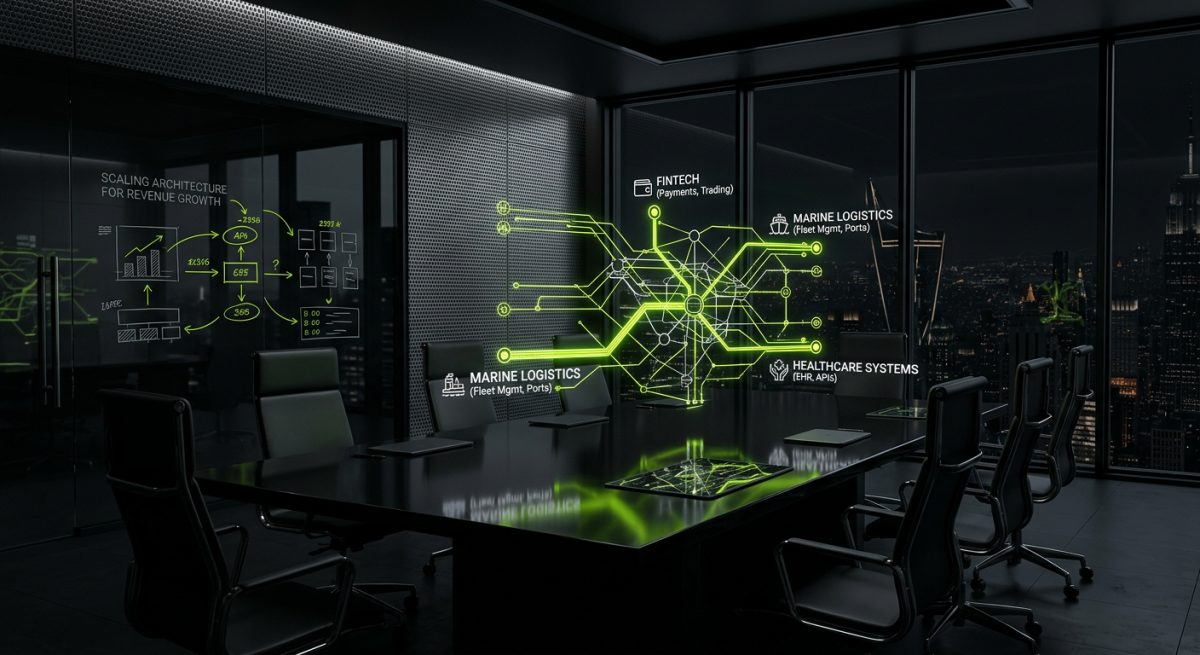
Fort Lauderdale's business landscape is competitive. From hospitality and marine industries to fintech startups and healthcare providers, companies in South Florida need websites that do more than look good — they need digital infrastructure that drives revenue, integrates with business systems, and scales without breaking. That's the gap a specialized web development company fills, and it's exactly what separates a strategic technology partner from a freelancer or a generic agency churning out template sites.
At werun.dev, we've spent 12+ years building custom websites on WordPress, Webflow, and Shopify — not just deploying themes, but engineering the underlying architecture that makes sites perform, integrate, and grow. If your Fort Lauderdale business is evaluating web development partners, this post breaks down what custom development actually means, which platform fits which business model, and what you should demand from any agency you hire.
What Custom Web Development Actually Means for Fort Lauderdale Businesses
The word "custom" gets thrown around carelessly in web development. A theme with a logo swap is not custom. A page builder site with stock photos is not custom. Real custom web development means the technical architecture is built around your specific business logic — not the other way around.
For a Fort Lauderdale yacht charter company, custom might mean a booking system integrated with a live availability API and a CRM like HubSpot, where every inquiry automatically creates a deal and triggers a follow-up sequence. For a Broward County law firm, it might mean a WordPress site with a custom post type architecture for practice areas, attorney profiles, and case results — all structured for maximum SEO performance and connected to a client intake form that feeds directly into their case management software.
These aren't features you configure in a drag-and-drop builder. They require:
- Custom plugin development — WordPress plugins built with proper hooks, filters, REST API endpoints, and authentication. Not hacks. Not copy-pasted Stack Overflow code.
- CMS architecture designed for editors — Content structures that make sense for the people updating the site, not just the developer who built it.
- Third-party integrations — Bidirectional data sync between your website and your CRM, ERP, payment processor, or fulfillment platform.
- Performance engineering — Core Web Vitals optimization isn't optional when Google uses page experience as a ranking signal.
The Cost of Getting This Wrong
Businesses that cut corners on web development don't save money — they defer costs. A poorly architected WordPress site accumulates technical debt: plugins that conflict, themes that can't be updated, integrations that break when an API changes, and security vulnerabilities that go unpatched. We've inherited dozens of these sites from clients who came to us after another agency left them with an unmaintainable codebase.
The real cost isn't the rebuild — it's the lost revenue during downtime, the SEO rankings that eroded while the site was broken, and the customer trust that's hard to recover once a checkout flow fails or a contact form stops working.
What Fort Lauderdale Businesses Should Demand
When evaluating a web development company in Fort Lauderdale, ask these specific questions:
- Do you build custom plugins or just configure existing ones? If they can't explain the difference between a WordPress hook and a shortcode, they're not engineers.
- How do you handle updates and maintenance? Every site needs ongoing maintenance. Ask for a documented process — not a vague promise.
- Can you integrate with our existing business tools? Your website should talk to your CRM, your email platform, your payment processor. If a developer can't speak to REST APIs and webhook architecture, that integration will be fragile.
- What does your QA process look like? Responsive design, cross-browser testing, accessibility checks, and performance audits should be standard — not add-ons.
- Who owns the code? You should own your codebase, your hosting account, and your domain. Full stop.
Custom web development is an investment in business infrastructure. Treat it like one.
Platform Strategy: WordPress, Webflow, or Shopify — Which One Is Right for Your Business?
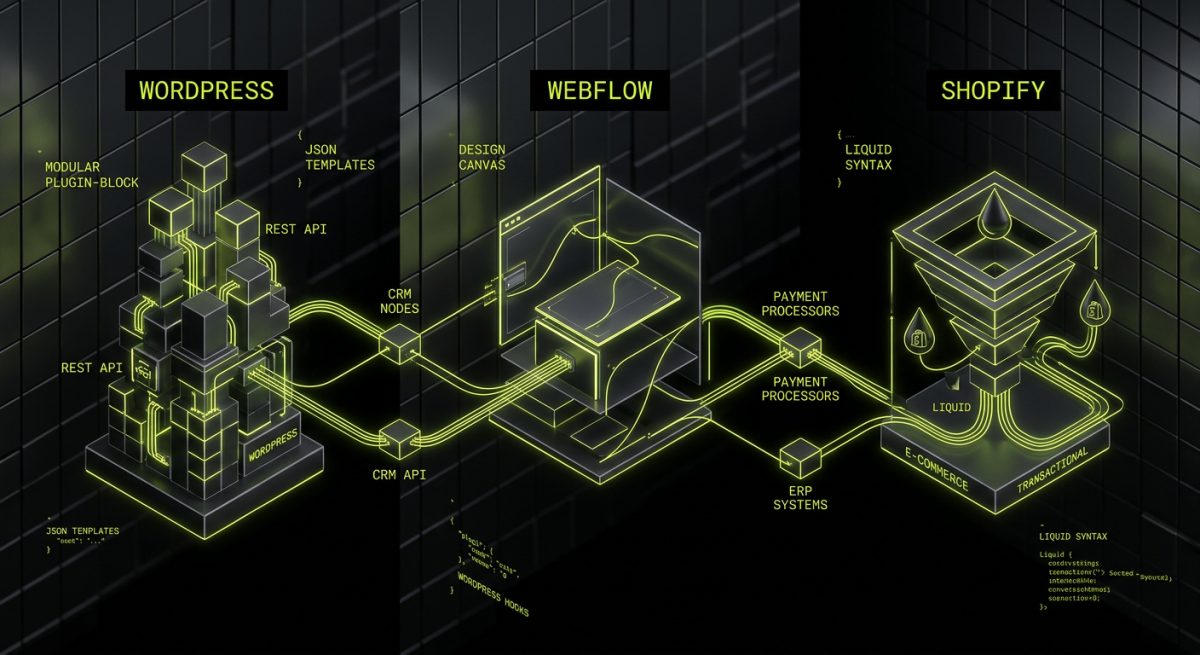
One of the most consequential decisions in a web project is platform selection. The wrong choice creates constraints that compound over time. The right choice gives your team the tools to execute your digital strategy without hitting walls every six months.
At werun.dev, we work exclusively with three platforms — WordPress, Webflow, and Shopify — because deep expertise in fewer platforms produces better outcomes than shallow familiarity with everything. Here's how we think about platform fit for Fort Lauderdale businesses.
WordPress: Maximum Flexibility, Maximum Power
WordPress powers approximately 43% of the web, but that statistic obscures what makes it genuinely powerful for complex business applications: its extensibility. WordPress is not just a CMS — it's an application framework. When you need something that doesn't exist, you can build it.
Our WordPress development services cover the full spectrum:
- Custom plugin development — We build plugins to professional standards: proper nonces, capability checks, sanitization, escaping, and auto-update mechanisms via GitHub. Every plugin ships with documentation.
- WooCommerce ecosystems — Complex e-commerce builds with custom product types, subscription billing, B2B wholesale functionality, and integrations with ERP and fulfillment platforms.
- Gutenberg blocks and FSE — Custom blocks with InnerBlocks support, block patterns, and full-site editing compatibility. Not everything belongs in a page builder.
- WordPress Multisite — For Fort Lauderdale franchises, agencies, or SaaS products that need one codebase across multiple sites.
- REST API and integrations — Custom endpoints, JWT and OAuth 2.0 authentication, and webhook processors that connect WordPress to your entire business stack.
WordPress is the right choice when you need maximum control, complex custom functionality, or a platform that can grow into an application layer — not just a marketing site.
Webflow: Design Fidelity Without Development Compromise
Webflow sits at a different point on the spectrum. It's the right tool when design quality and editorial flexibility matter as much as technical extensibility — and when you don't need the full complexity of WordPress.
Our Webflow development services go well beyond what the Webflow Designer offers out of the box:
- Figma-to-Webflow production builds with scalable BEM-style class architecture and clean component structure
- Custom JavaScript and Webflow API integrations that connect your site to CRM, payment systems, and internal tools
- GSAP animations and interactions for marketing sites that need to make an impression
- Membership and client portals built with Memberstack or Outseta
- Multi-language support via Weglot or native Webflow localization
For Fort Lauderdale marketing agencies, professional services firms, and SaaS companies that need a high-design marketing site with a maintainable CMS, Webflow is often the strongest choice.
Shopify: E-Commerce Built for Conversion
If you're selling products online, Shopify's infrastructure — payments, inventory, fulfillment, and checkout — is purpose-built for e-commerce in a way that WordPress and Webflow simply aren't. Our Shopify development services focus on custom Liquid theme development, not template modification:
- Custom Liquid themes from scratch using Online Store 2.0, JSON templates, and metafield integration
- Shopify Plus enterprise builds with custom checkout extensibility, B2B wholesale portals, and Shopify Flow automations
- Store migrations from WooCommerce, Magento, or BigCommerce with zero data loss
- Private Shopify apps built with the Admin API and Storefront API
For Fort Lauderdale retailers, consumer brands, and wholesale distributors moving online, Shopify provides the most reliable path to a high-converting store.
How werun.dev Builds Custom Websites: Architecture, Integration, and Long-Term Maintenance
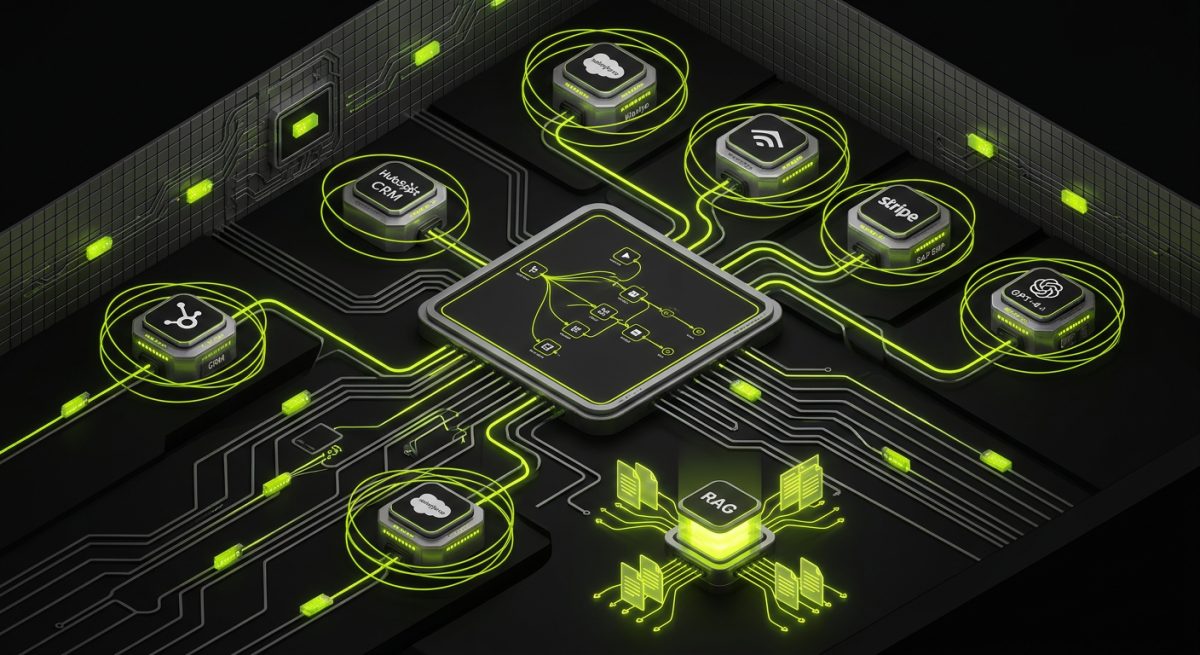
Building a website is the beginning of the engagement, not the end. The agencies that deliver the most value are the ones that architect for longevity — sites that are maintainable, extensible, and integrated with the business systems that power your operation.
Here's how we approach custom web development at werun.dev.
Architecture First
Before a single line of code is written, we define the technical architecture. For WordPress projects, that means:
- Custom post type and taxonomy structure
- Plugin architecture (what gets built custom vs. what gets configured)
- REST API endpoint design
- Database schema for custom data
- Caching and performance strategy
- Hosting environment and deployment pipeline
For Webflow projects, it means CMS collection architecture designed for real editorial workflows — not just a structure that makes sense to a developer. For Shopify, it means theme architecture decisions: JSON template structure, section and block hierarchy, and metafield schema.
Getting architecture right upfront prevents the most expensive mistakes in web development.
Integration as a Core Deliverable
A website that doesn't talk to your business systems is an island. Our WordPress integrations and REST API work connects your site to the platforms your team actually uses:
- CRM sync — Salesforce, HubSpot, Pipedrive, Zoho. Form submissions, WooCommerce customers, and user registrations flow into your CRM automatically.
- Payment and billing — Beyond standard WooCommerce gateways: subscription billing, installment plans, marketplace split payments.
- ERP connectivity — SAP, Odoo, and custom ERP systems via REST API with proper authentication and error handling.
- Email and marketing platforms — Klaviyo, ActiveCampaign, and similar platforms connected to your site's user and purchase data.
Every integration we build includes error handling, retry logic, execution logging, and documentation. When an API changes or a webhook fails, you'll know about it — and the system will recover gracefully.
AI and Automation as a Force Multiplier
For Fort Lauderdale businesses looking to reduce manual work and scale operations, our AI and automation services extend what your website can do:
- n8n workflow automation — Multi-branch pipelines that connect your CRM, databases, APIs, and AI models. Self-hosted on your infrastructure with full error handling.
- AI chatbots and virtual agents — Custom chatbots powered by GPT-4 or Claude, trained on your content, embedded on your site for pre-sales qualification or customer support.
- Knowledge-base chat with RAG — Vector search over your documentation, product catalog, or support content so customers get accurate answers instantly.
- Web scraping and data extraction — Automated pipelines that feed your business intelligence tools with structured data.
These aren't experimental features. They're production systems we've built and maintained for B2B clients who needed to scale without proportionally scaling headcount.
Long-Term Maintenance as a Strategic Commitment
Every site we build is eligible for a monthly maintenance retainer. That means:
- Core, plugin, and theme updates with compatibility testing before deployment
- Security hardening and malware monitoring
- Performance audits and Core Web Vitals optimization
- Priority support for bug fixes and change requests
- GitHub-powered auto-updates for every custom plugin we've built
We maintain 200+ sites across our client base. That scale gives us pattern recognition that a single-site developer simply doesn't have — we've seen how WordPress updates break specific plugin combinations, how Shopify API changes affect custom apps, and how Webflow CMS architecture decisions play out over years of content editing.
Ready to build something that actually works for your business?
If you're a Fort Lauderdale company evaluating web development partners, start a project with werun.dev. We'll scope the architecture, recommend the right platform, and build a site that integrates with your business — not just one that looks good in a browser.
Evaluating a Fort Lauderdale Web Development Company: The Technical Checklist
Not all web development agencies are equal. In South Florida's market, you'll find a wide range of providers — from solo freelancers to large agencies with dozens of employees. The size of the team isn't the differentiator. The depth of technical expertise is.
Use this checklist when evaluating any web development company for a custom project.
Code Quality and Standards
WordPress:
- Does the agency follow WordPress Coding Standards?
- Are custom plugins built with proper sanitization, escaping, and nonce verification?
- Do they use hooks and filters — or do they modify core files?
- Are plugins documented and version-controlled in GitHub?
- Do they have an auto-update mechanism for custom plugins?
Webflow:
- Do they use scalable class naming conventions (BEM or similar)?
- Can they extend Webflow with custom JavaScript when native interactions aren't sufficient?
- Is their CMS architecture designed for content editors, not just developers?
Shopify:
- Are themes built from scratch in Liquid, or are they modified templates?
- Do they use Online Store 2.0 with JSON templates and sections everywhere?
- Can they build private apps with the Admin API?
Performance and Accessibility
Every custom site should be built to score 90+ on Core Web Vitals. Ask for examples. Ask for Lighthouse scores on live client sites. Performance isn't a post-launch optimization — it's a design and development constraint from day one.
Accessibility matters both ethically and legally. WCAG 2.1 AA compliance should be a baseline expectation, not an optional add-on. Fort Lauderdale businesses that serve the public — hospitality, retail, healthcare, professional services — have real exposure to accessibility lawsuits if their sites don't meet standards.
Security Posture
- Is SSL/TLS configuration handled correctly?
- Are admin login pages protected against brute force attacks?
- Is the WordPress file system hardened (no direct PHP execution in uploads, proper file permissions)?
- Are API endpoints authenticated with JWT or OAuth 2.0 — not just API keys passed in query strings?
- Is there a malware monitoring and incident response process?
Hosting and Infrastructure
The right hosting partner matters. We work with WP Engine, SiteGround, and Automattic's infrastructure — managed WordPress hosting environments that provide staging environments, automated backups, and server-level caching. We don't recommend shared hosting for production business sites.
For Webflow projects, Webflow's hosting infrastructure handles most concerns. For Shopify, Shopify's own infrastructure is the platform. The hosting question primarily applies to WordPress.
Communication and Process
- Is there a documented project management process?
- Who is the primary point of contact — a salesperson or the developer?
- How are change requests scoped and billed?
- What does the handoff process look like — is there documentation, training, and a recorded walkthrough?
- What are the SLAs for support and bug fixes on maintenance retainers?
A Fort Lauderdale business investing in custom web development deserves clear answers to all of these questions before signing a contract. If an agency can't answer them, that's diagnostic information.
Red Flags to Watch For
- "We use a premium theme and customize it" — This is not custom development. Premium themes carry technical debt, security vulnerabilities, and update conflicts.
- No version control — Any professional development workflow uses Git. If they're not using GitHub or GitLab, the codebase is unmanageable.
- No staging environment — Updates and changes should be tested in staging before they touch production. No exceptions.
- Vague maintenance offerings — "We'll keep an eye on it" is not a maintenance plan. Ask for specifics.
- Ownership ambiguity — You should own your domain, your hosting account, your codebase, and your content. If an agency wants to retain ownership of any of these, walk away.
The best web development partners are transparent about their process, specific about their technical capabilities, and structured about long-term support. That's the standard werun.dev holds itself to — and the standard Fort Lauderdale businesses should demand from any agency they hire.