01
Space search and filters
Brokers and tenants filter space by square feet, use, price and area, on a map or a list.
- —Size ranges, floors and lease terms
- —A map and a list view
- —Listings from the system you already keep
“The client portal, the feedback extension and the WordPress security alerts have been very intuitive, pretty turnkey. Just this past week getting comfortable with it, it’s been really helpful. We’re rolling it out to our core team. Nice job.”
 Eric MillerNorth American Director of Sales & Marketing, General Filters & GeneralAire®
They type the use and the size, not your name. Each search lands on a page with the specs and a broker to call.
The problem: Tenants search by square feet and use, not by building.
What changes: Space is searched by size, use, price and area.
The problem: Your listing is a flyer attached to an email.
What changes: Each space has a page with the plan, the specs and a map.
The problem: Inquiries say “interested” and nothing about size or timing.
What changes: The form asks for the size, use and move date first.
The problem: Offering documents travel by email to anyone who asks.
What changes: Documents open after a signed agreement, and you see who opened them.
The problem: Landlords hiring a broker can’t see what you have done.
What changes: A page of your leased and sold space shows your work.
The problem: You rebuild a brochure every time a space changes.
What changes: A brochure builds itself from the listing page.
Each one starts on the site and ends with a person at your desk.
You enter the specs once. The listing page, the map and the brochure all appear from that entry.
They sign the agreement on the page, and the documents open. You see the time and the file they read first.
The tenant filters by size and area on your site and sends an inquiry. It arrives with the size and the move date already filled in.
Four directions to start from. Pick the one that feels like you and we shape it around your listings.
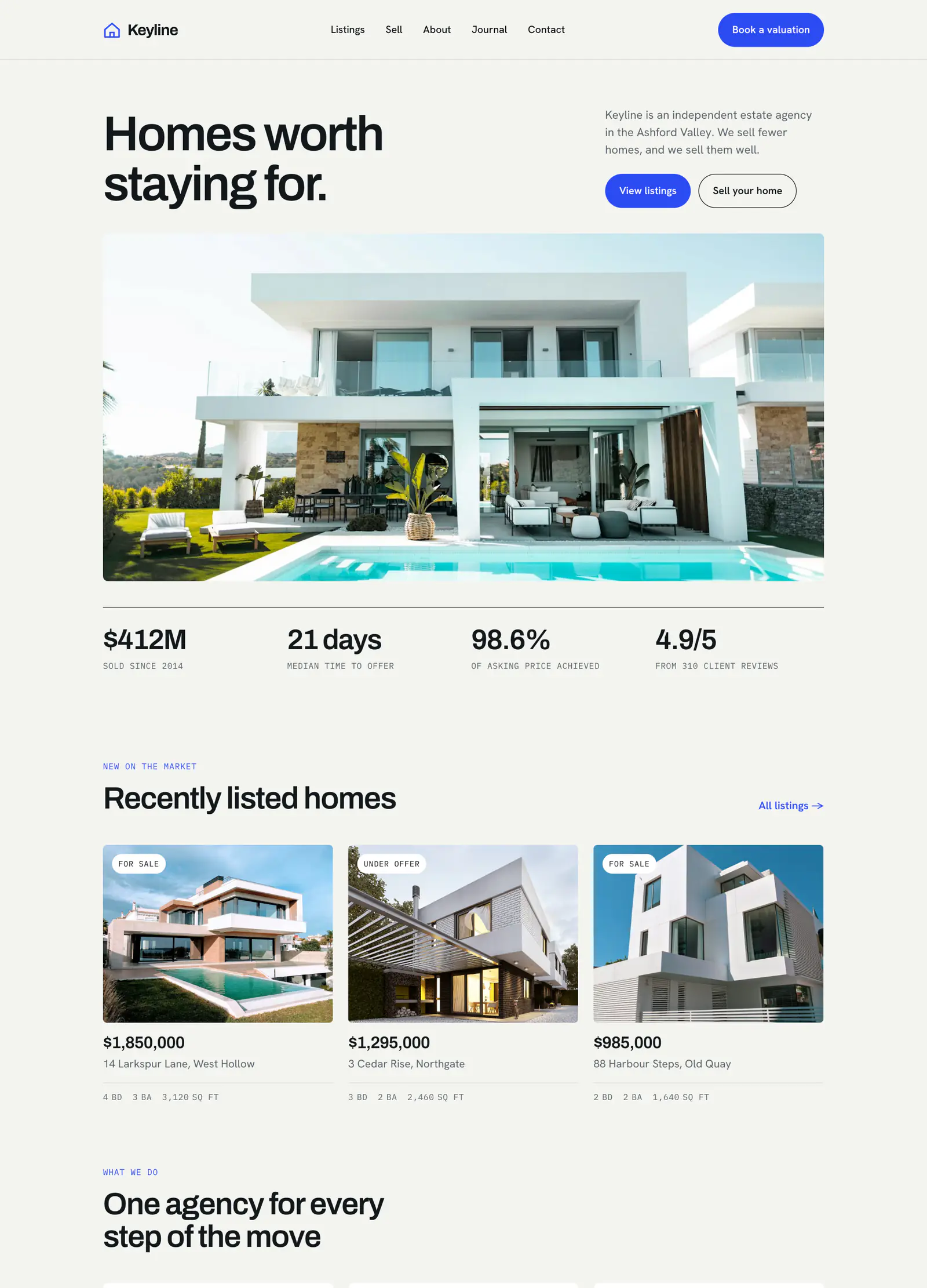
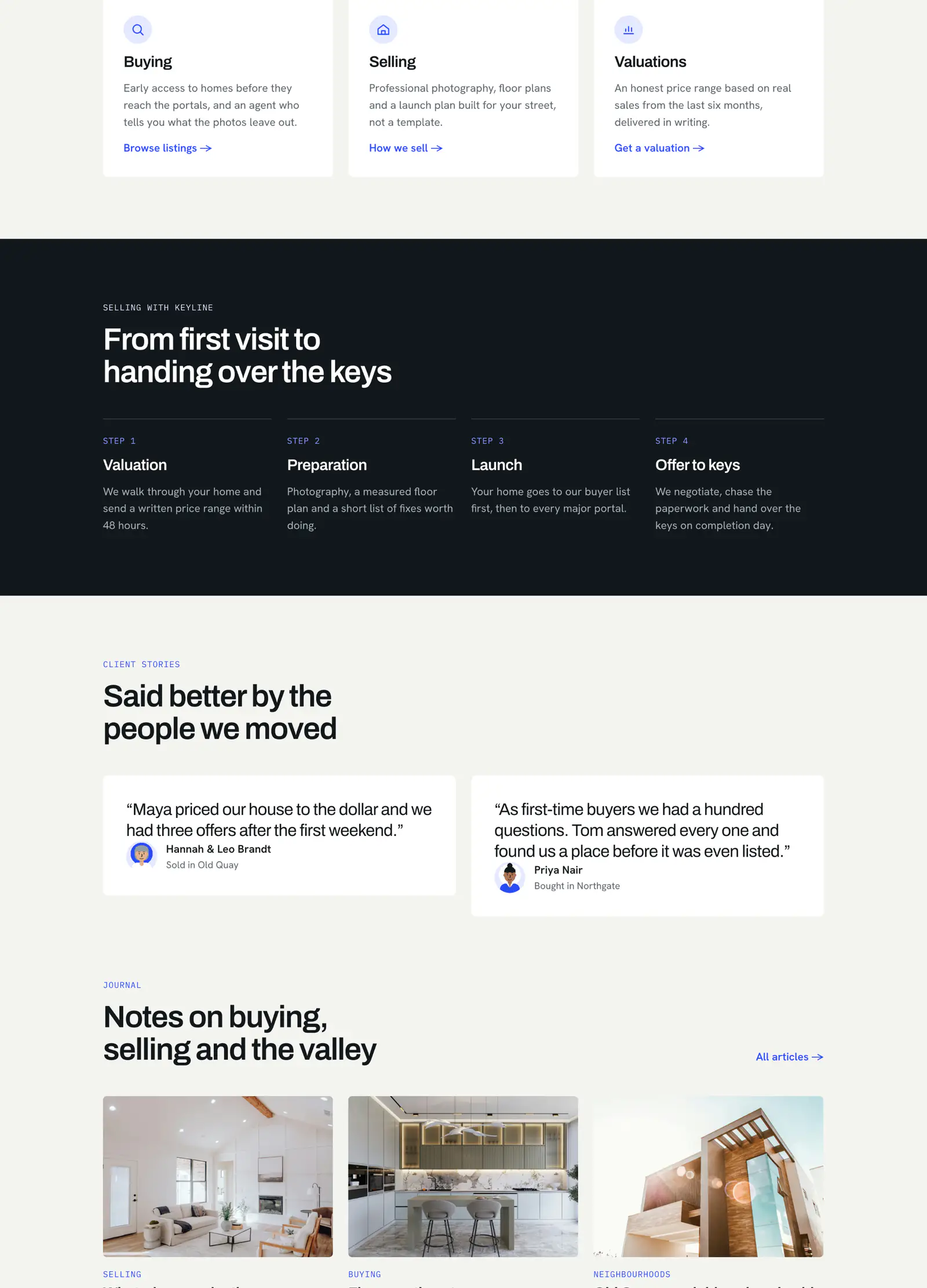
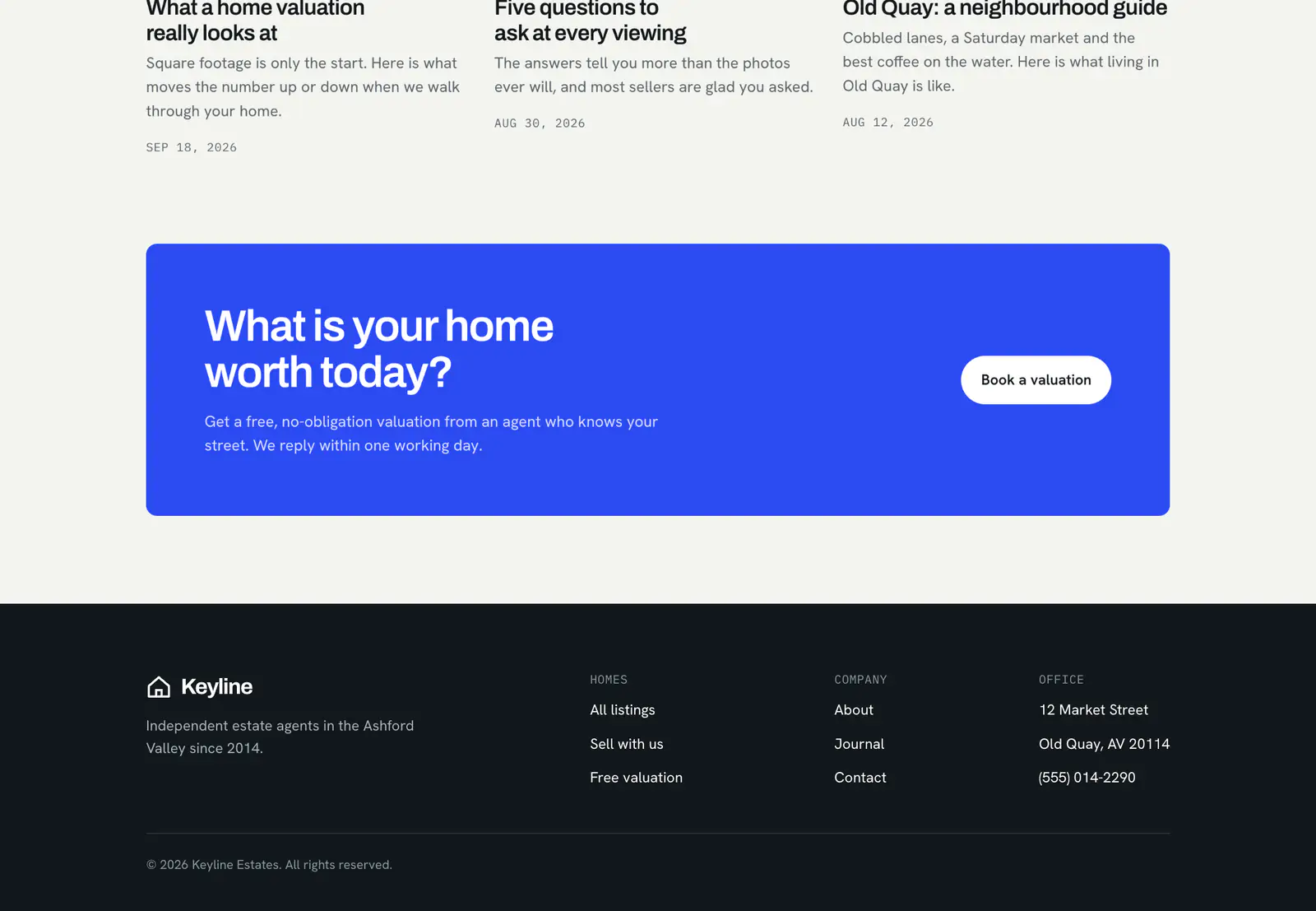



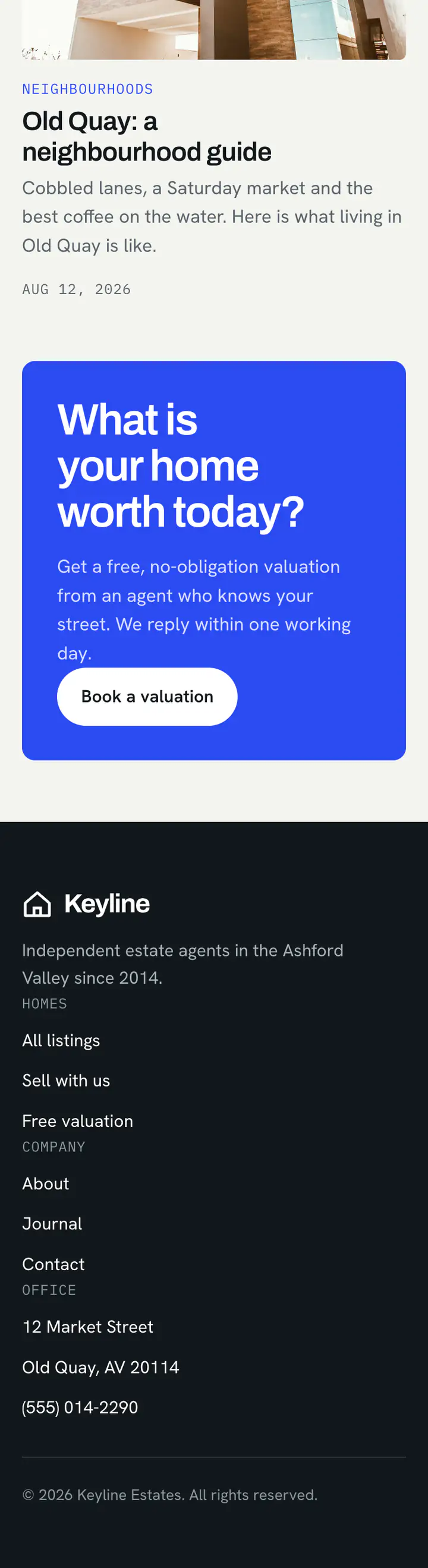
Concept designs with sample names and figures. Yours is built around your brand, photos and words.
Start with the step where inquiries go vague. Add the rest when you're ready.
Brokers and tenants filter space by square feet, use, price and area, on a map or a list.
Every space gets a page with its plan, photos, specs and the listing broker’s contact.
A brochure in PDF builds itself from the listing, so a change is made once.
Buyers sign an agreement online, then open the offering documents. You see who looked at what.
Inquiries arrive with the size, use and move date, and go to the broker for that space.
Short pages with your view of a submarket, so owners and tenants see what you know.
The same process for every client. You know what you get and what it costs before anything is built.
What your business does and what is not working. We reply within 2 hours on business days.
We look at what you already have. You get a written plan, a timeline and an estimate.
Everything is built and tested on a private copy before it goes live. What we build is yours.
After launch, one person you know by name looks after it: updates, backups, checks and fixes.
You explain your business once. The people who plan your site build it and look after it.
Updated, monitored, backed up
Websites and web apps
We answer on business days
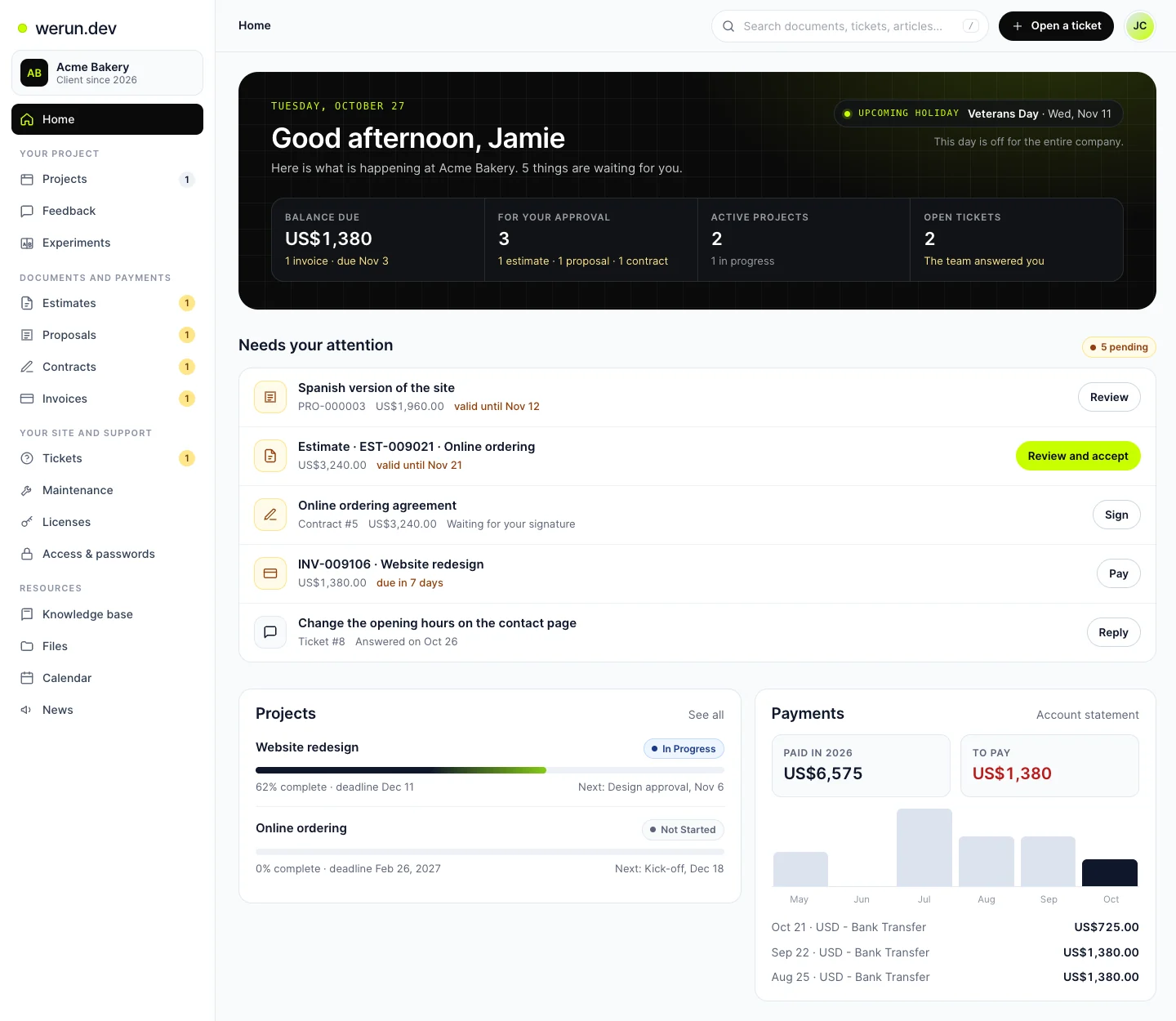
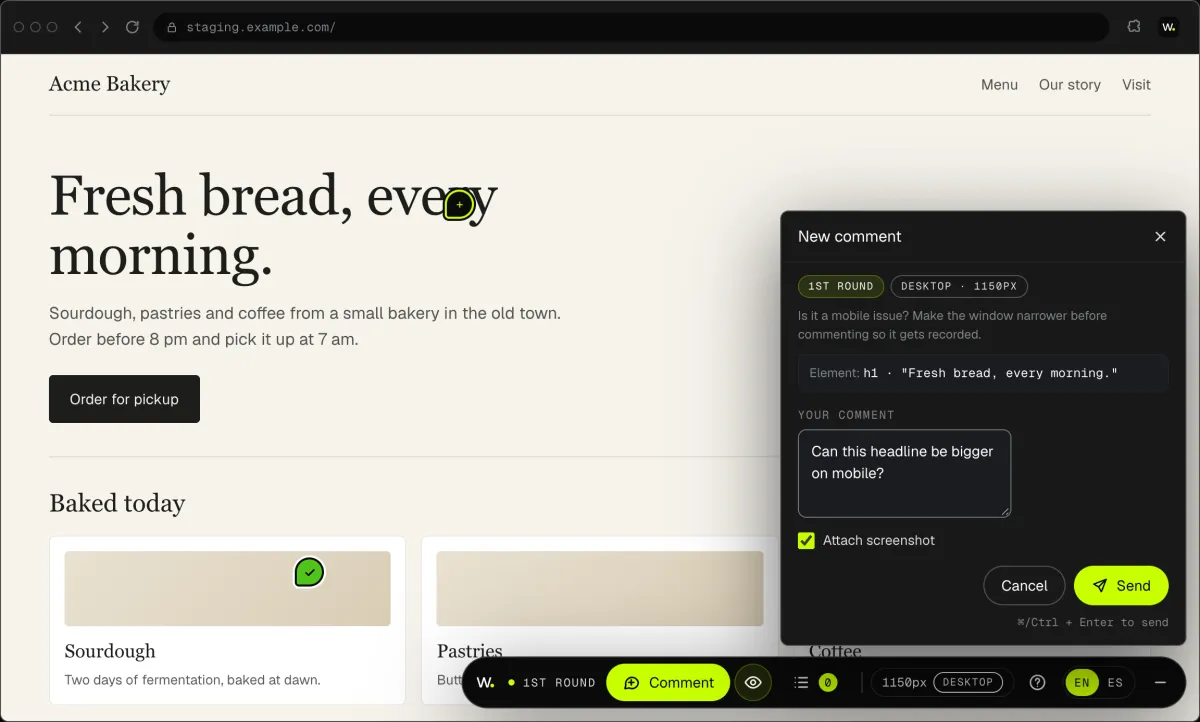
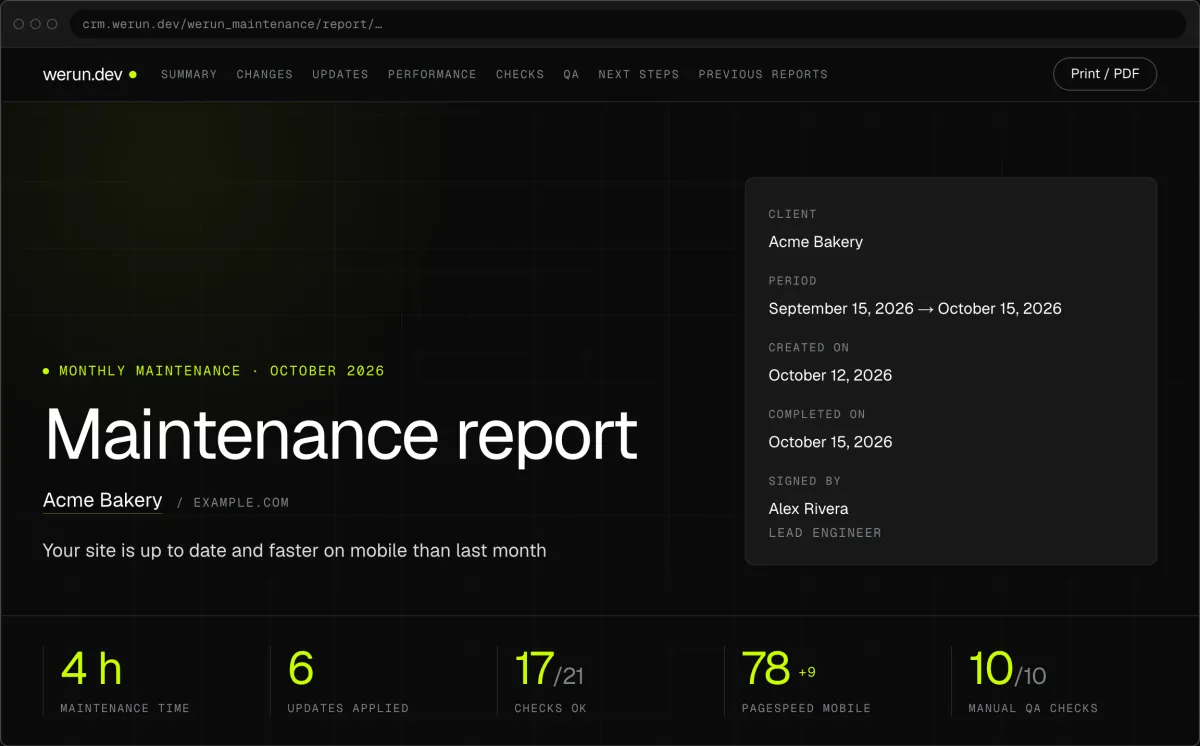
Your project, approvals and invoices live in the Client Portal. You ask for a change by clicking on your own site. With Care, a written report arrives every month.
Projects, requests, invoices, proposals and contracts in one place. Ask it a question and it answers from your own records.
Click anything on your own site and say what you want. That's it: the team gets it as a task with a screenshot, and you watch it get solved.
Every month, in writing: what we changed on your site, what we watched over and what comes next.
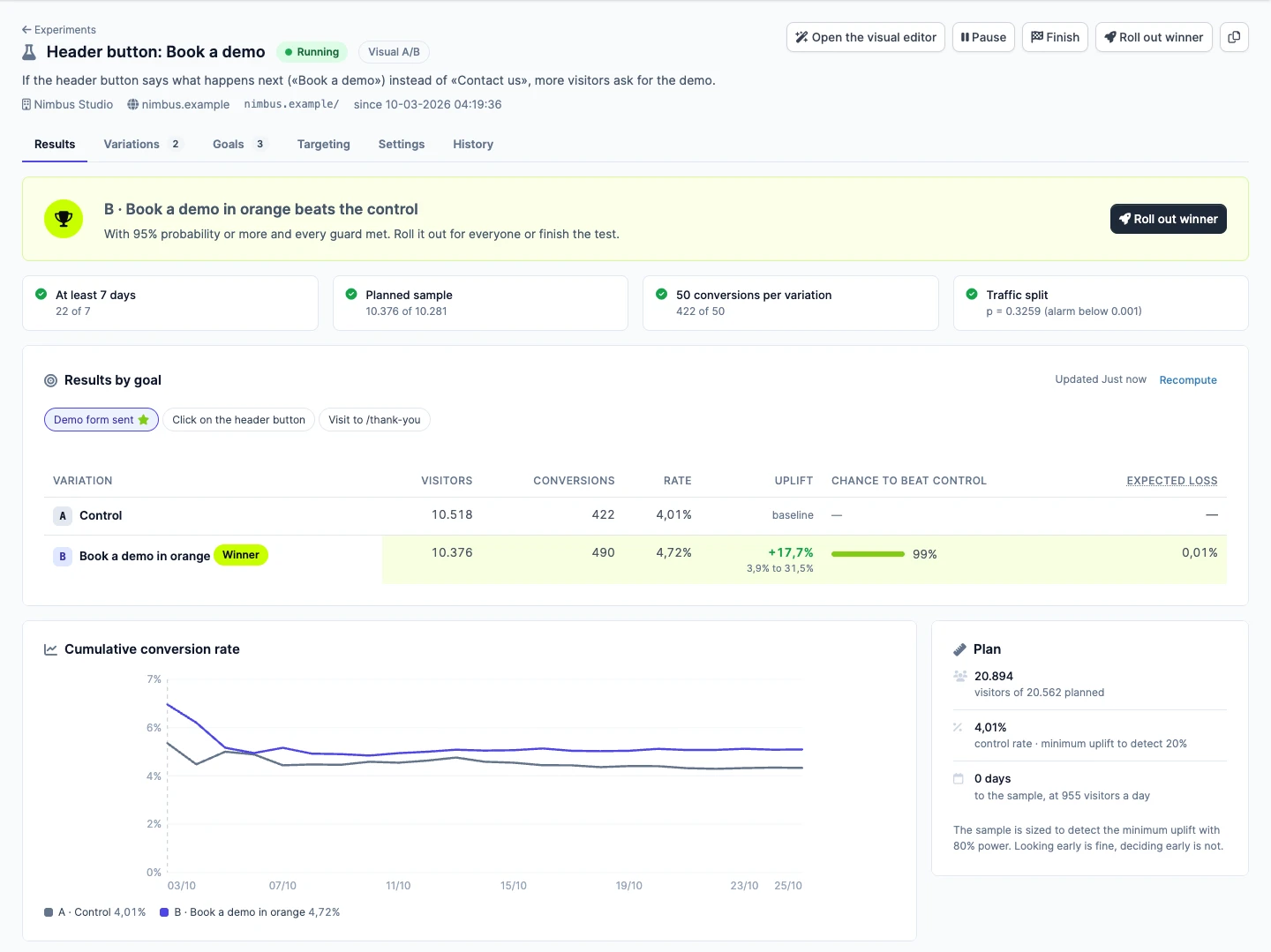
Not sure which version sells more? Try both with real visitors. Tell us the idea in plain words, we set up the test, and you watch the winner from your Client Portal.
Yes, when the system you keep them in offers an export or an API. Spaces then update on the site without retyping. If it does not, your team enters them in one simple form.