eCommerce development
Your store sells more. Every order is typed once.
We build the store your buyers find their way around and pay in a few steps. Each order reaches your other systems on its own, so your team stops retyping. Your current store keeps selling until the new one passes its test.


























































Visual references
Your products, shown the way they deserve.
Pages from the industries we work with, on a desktop and a phone. They show what your site can have when you work with us.
References, not templates
We design your site for your business and build it from scratch, with your brand, your photos and your words.




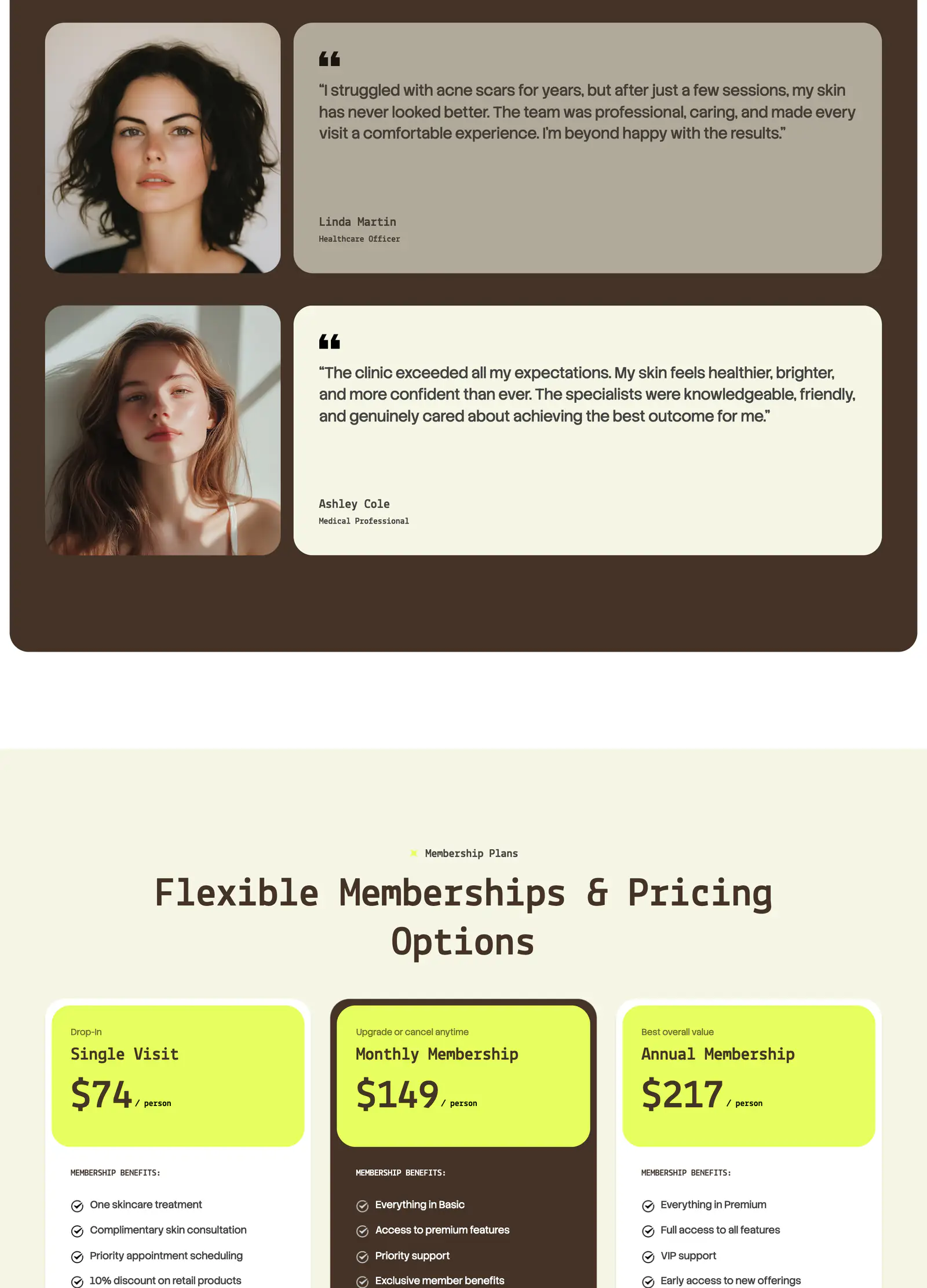








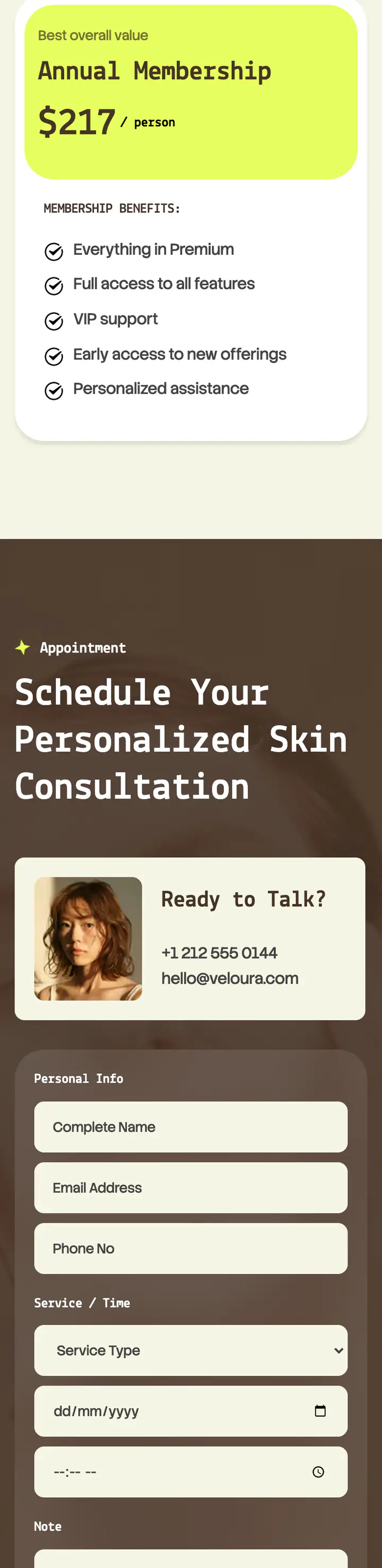
Visual references with sample names and figures.
What clients say
Teams like yours, in their own words.

“The client portal, the feedback extension and the WordPress security alerts have been very intuitive, pretty turnkey. Just this past week getting comfortable with it, it’s been really helpful. We’re rolling it out to our core team. Nice job.”
What changes for you
Your buyers find it, pay for it, and the order is typed once.
Start with what matters most today. The rest can come later.
01A catalogue your buyers find their way around
Your products are easy to find, compare and choose, on a phone too. Your team adds a product or rebuilds a page on its own, and the pages stay fast.
- Product pages your team edits on its own
- Product details filled in once and reused
- Prices for wholesale and B2B buyers
- A speed figure agreed before the build, met at handover
02A checkout with only the steps you need
Your buyers pay in the steps your business needs, and no others. Not sure which version sells more? Try both with real visitors in werun.Experiments, included on the stores we run.
- Payments and taxes connected
- Subscriptions that renew on their own
- Discounts and shipping that follow your rules
- Cart, shipping and payment tested before every change
- Tested on a phone and on a computer
03Orders typed once, stock that matches
Each paid order reaches your ERP and your CRM on its own. Stock and prices come back to the store. The integrations page shows how each number gets one home.
- Each order entered once, with its customer attached
- Your store sells what your warehouse holds
- If a system is down, orders wait their turn
- Both sides compared every night
04A store in the language of each market
Buyers in each market read your store in their language and see the prices you set for them. Search engines send each reader to their own page.
- A real page for each language, with its own address
- Prices and content set for each market
- The language switch keeps the buyer on the same product
- Each new market planned in writing first
How it works
What you see at each step.
- 01
You tell us how you sell
Say what you sell, to whom, and where orders get stuck today. We reply within 2 hours on business days with what it takes and who does it.
You getThe scope, the timeline and the price in writing, before anything starts
- 02
Your store takes test orders on a copy
The build happens on a private copy, so your current store keeps selling. You place test orders there and ask for changes by clicking on the page.
You getA link to the copy, and the checkout test in writing
- 03
You launch and keep everything
The store goes live once the checkout passes its test. A named person stays beside you for the next season and the next idea.
You getThe code in your repository, a written note and a handover call
What you get
Your store. Your customers. Our responsibility.
In writing
A written scope before anything starts
After the first call you get the scope, the timeline and the price in writing. You decide with every figure in front of you, before any work begins.
- 01
Everything we write is yours
The code lives in your repository, under your licence. Every project ends with a written note on how it works and a handover call with your team.
- 02
Speed agreed before the build starts
You agree a speed budget with us before the build starts. The store meets it at handover, measured on phones and on computers.
- 03
Every change tried before it goes live
Each change runs on a copy of your store first. Your checkout passes a written test before your customers see anything new.
Works better together
The rest of the system.
Each part works on its own. Connected, your store, your stock and your team stay in step.
- —Shopify developmentA theme your team edits on its own, and a checkout that follows your rules.
- —WordPress and WooCommerceA store that fits how you sell, with wholesale prices and subscriptions.
- —The guide to store and ERP integrationsHow orders, stock and prices stay in step, what it costs and how long it takes.
- —IntegrationsYour store, CRM and ERP agree on every order, even when one system goes down.
Where do you want your store to be next year?
Tell us how you sell today and where orders get stuck. We reply within 2 hours on business days with what it takes and who does it.
eCommerce questions
Which platform should my online store run on?
The one that fits how you sell, and you hear our pick before any quote. Shopify suits a store that wants hosting, payments and checkout handled for it. WooCommerce, on WordPress, suits wholesale prices, rules of your own and content beside the catalogue. Shopify Plus adds a checkout you can change. If your current platform already fits, we say so and improve the store you have.
How long does it take to build an online store?
A full store usually takes 6 to 14 weeks. One piece on its own, such as a checkout step, takes 2 to 3 weeks. The size of the catalogue and the systems you connect decide where you land. You get a written scope and timeline before anything starts.
What does an online store cost to build?
It depends on the catalogue, the checkout rules and the systems you connect. A new store is priced as a project. The work after launch is a monthly plan or hourly work, as you prefer. Plans and prices are on the engagements page. You get the exact scope and price in writing after the first call, before anything starts.
Can you move my store without losing orders or search rankings?
Yes. Your products, customers and orders move with the store. Every old address is mapped to its new one before launch, so search engines and saved links keep working. The move runs on a copy first, and you read a test run before anything is switched. Your current store keeps selling until the new one passes its checkout test.
Who looks after the store once it is live?
A person you know by name, if you choose a monthly plan. They keep the store updated and watched, and reply within 2 hours on business days. Prefer to run it with your own team? You can. Every project ends with the code in your repository, a written note and a handover call.